5 guides
Species & Identification
Identify species, colors, tracks and physical features.
Explore topic →
Squirrel knowledge, made clearer
Practical, evidence-led guides to squirrel species, behavior, diet, life cycle, safety, and responsible prevention.
Explore by topic
Each topic hub connects the strongest guide with focused supporting articles.
5 guides
Identify species, colors, tracks and physical features.
Explore topic →22 guides
Understand natural diet and safe feeding.
Explore topic →4 guides
Learn how squirrels behave, communicate, sleep and build nests.
Explore topic →2 guides
From birth and breeding to lifespan.
Explore topic →3 guides
Safety-first wildlife and human guidance.
Explore topic →4 guides
Prevent damage and exclude squirrels humanely.
Explore topic →1 guides
Protect feeders without harming wildlife.
Explore topic →1 guides
Clearly labelled symbolism, stories and culture.
Explore topic →Latest and updated
Diet & Feeding
What do squirrels eat in winter? Tree squirrels stay active all winter, living mostly on acorns and nuts buried in fall, plus fungi, bark, and buds.
The fox squirrel (Sciurus niger) is North America's largest tree squirrel. Learn its size, colors, range, diet, and how to tell it from grey squirrels.
Diet & Feeding
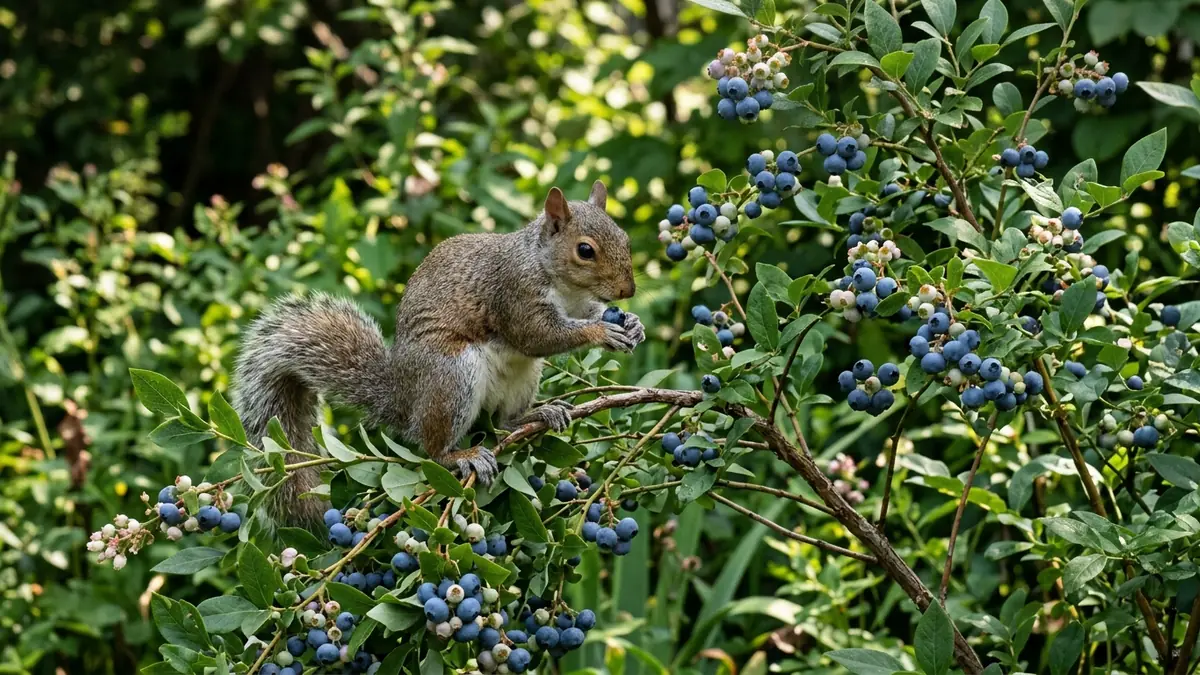
Squirrels eat berries and may sample cultivated blueberries. A direct sighting matters because birds, chipmunks, and other wildlife can leave similar missing fruit.
Diet & Feeding
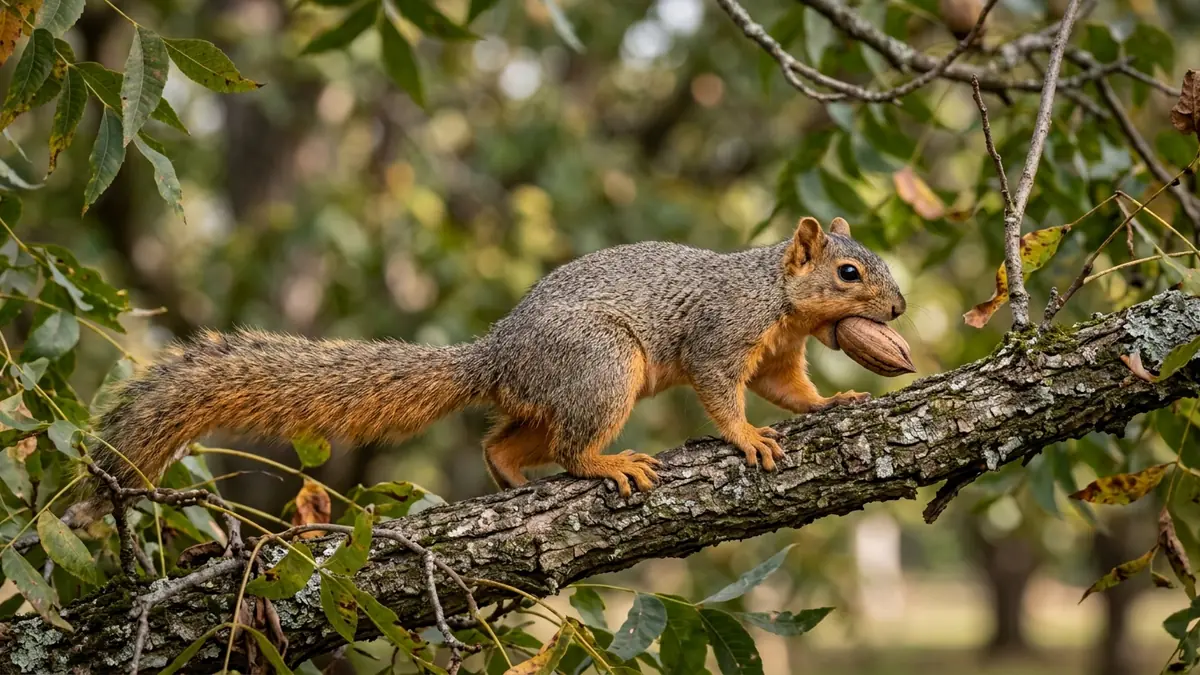
Pecans are a natural hard-mast food for gray and fox squirrels. Squirrels eat, carry, and cache them, which can create conflict in home and commercial orchards.
Diet & Feeding
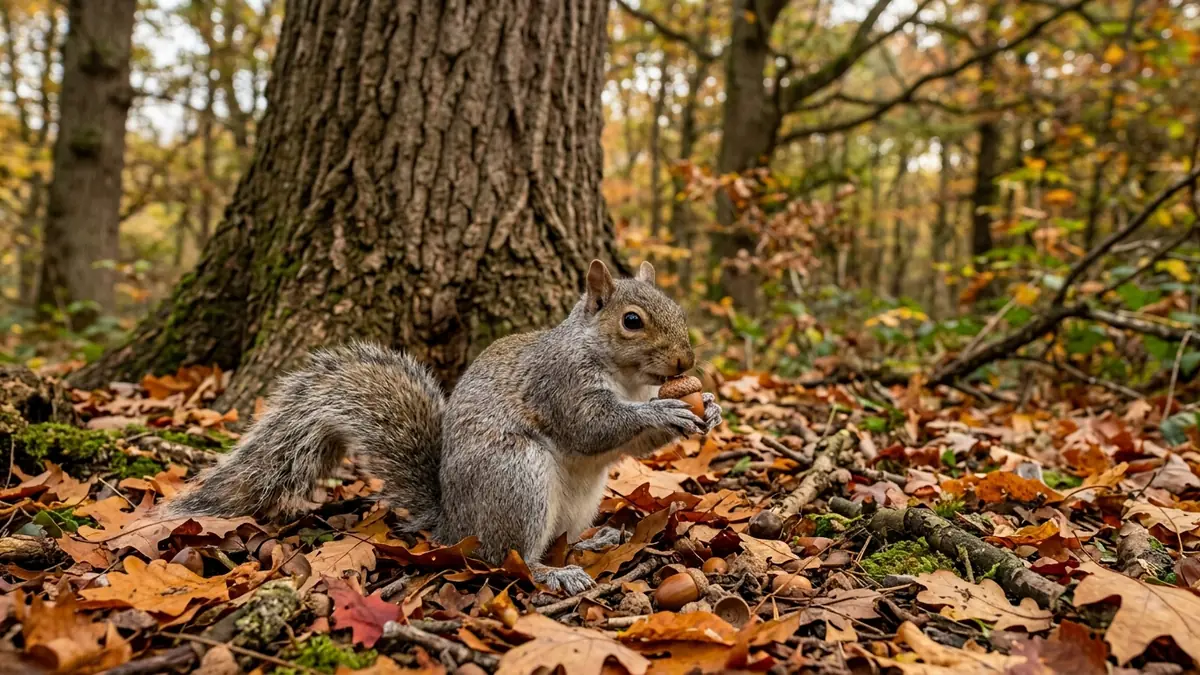
Acorns are a major natural food for gray, fox, and other squirrels. They eat them, carry them, and cache them, linking squirrel survival with oak woodland ecology.
Diet & Feeding
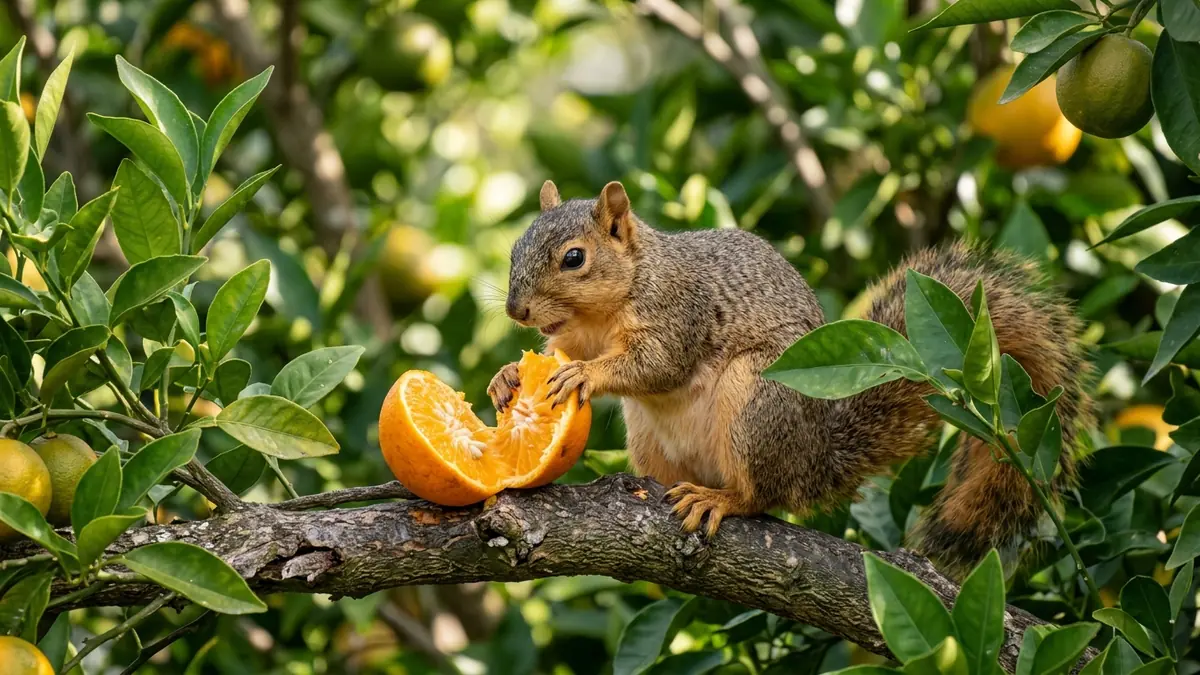
Tree squirrels do eat oranges and can damage citrus crops. They often target the juicy pulp, although the exact feeding marks vary by species and other visitors.
Diet & Feeding
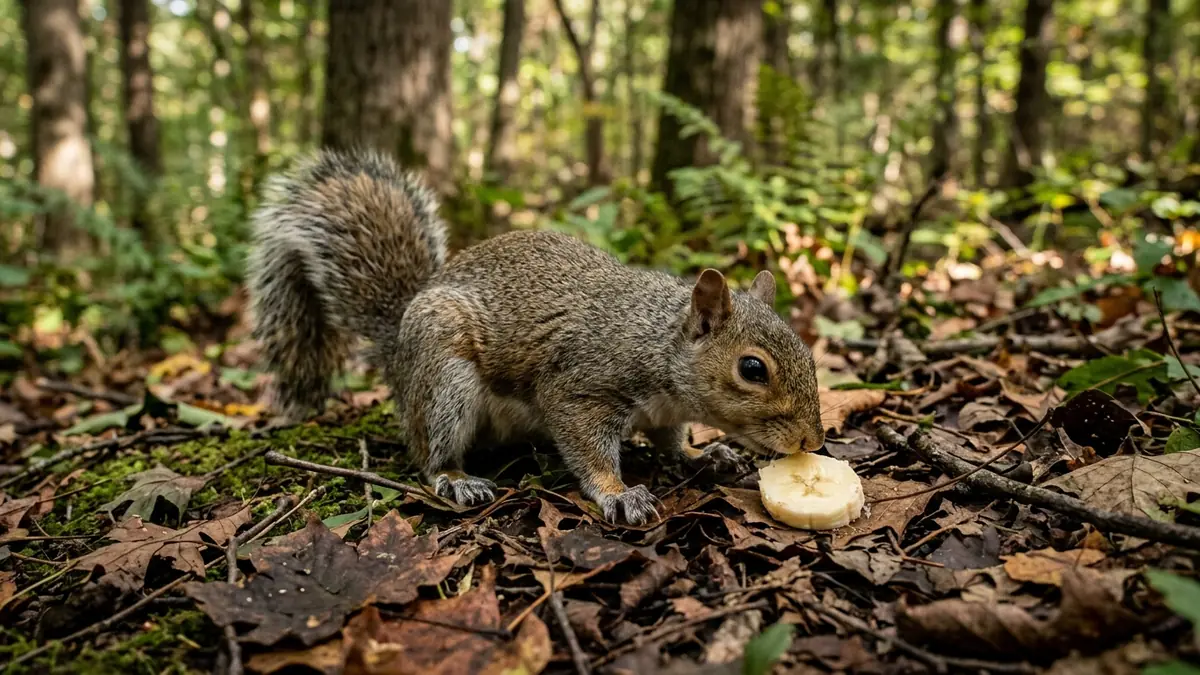
Squirrels may eat soft banana flesh, while the peel is usually less appealing. Bananas are a possible food, not a natural staple or a diet for an orphan.
Diet & Feeding
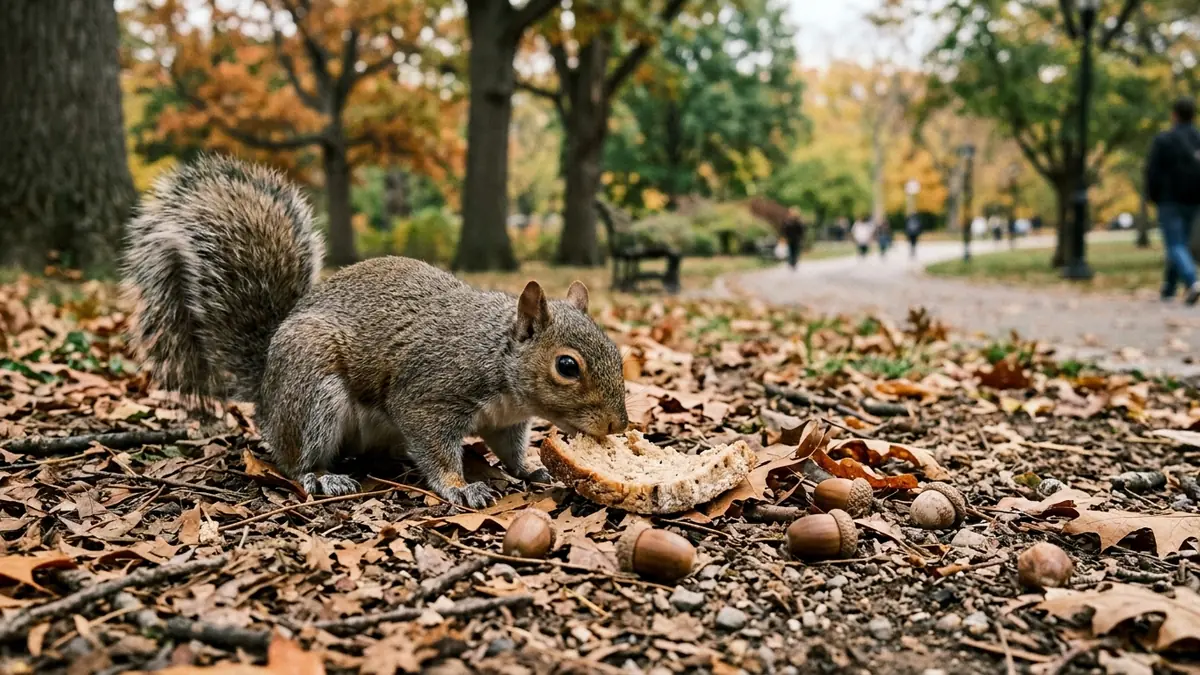
A squirrel may eat bread, but bread is a human food rather than a normal foundation for a squirrel diet. Mold, crowding, and food conditioning add avoidable risks.
Diet & Feeding
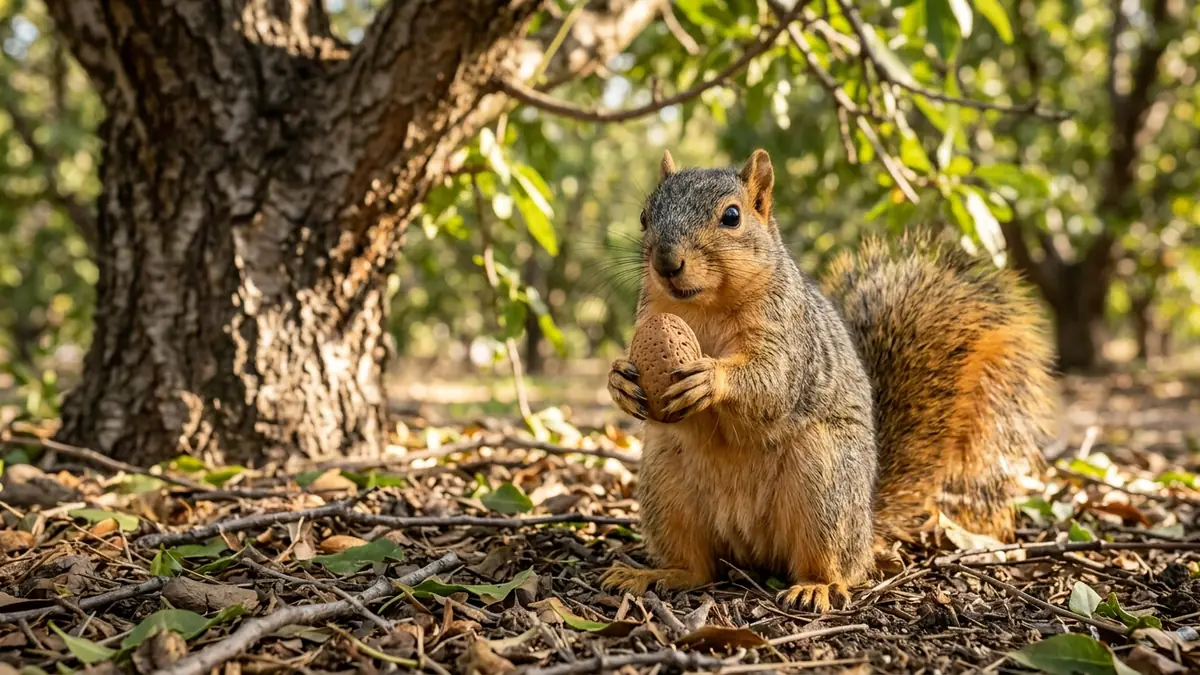
Squirrels can eat ordinary food-grade almonds and may raid almond trees. Plain sweet almonds are different from salted snacks, candy coatings, and unknown bitter kernels.
Diet & Feeding
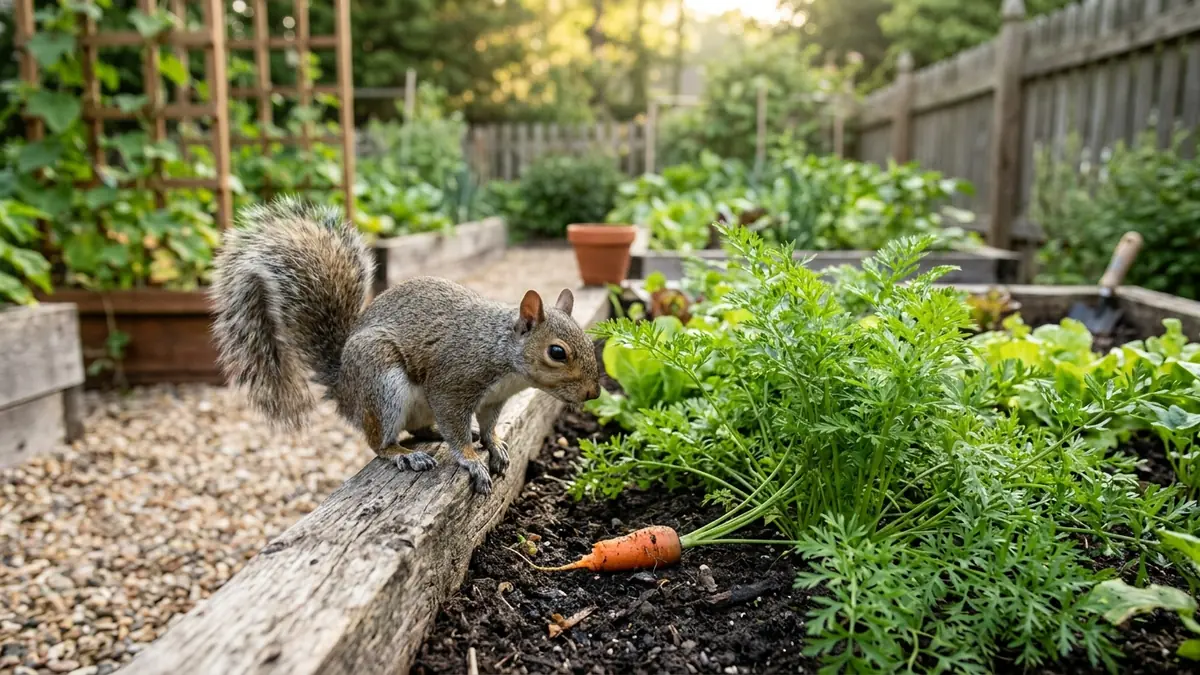
Squirrels may sample carrot roots or leafy tops, although carrots are not a defining part of a tree squirrel's natural diet. Garden clues matter before blaming them.
Diet & Feeding
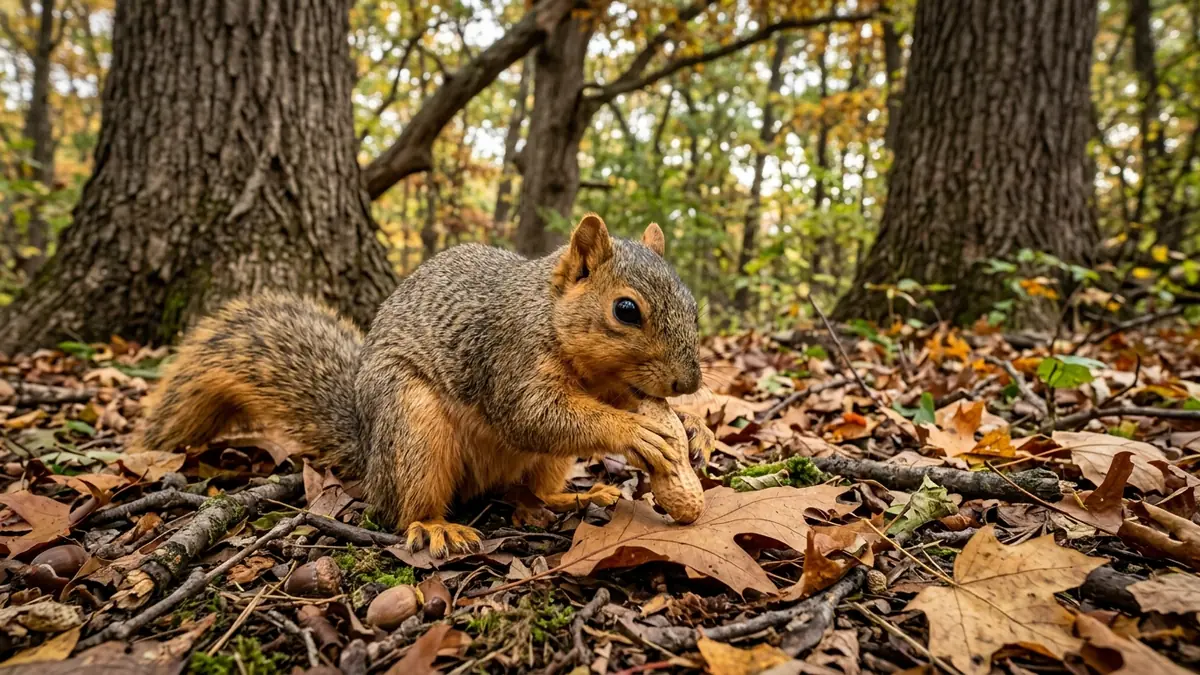
Squirrels readily take peanuts, but peanuts are legumes and should not crowd out the acorns, walnuts, seeds, and other foods found in a natural squirrel diet.
Diet & Feeding
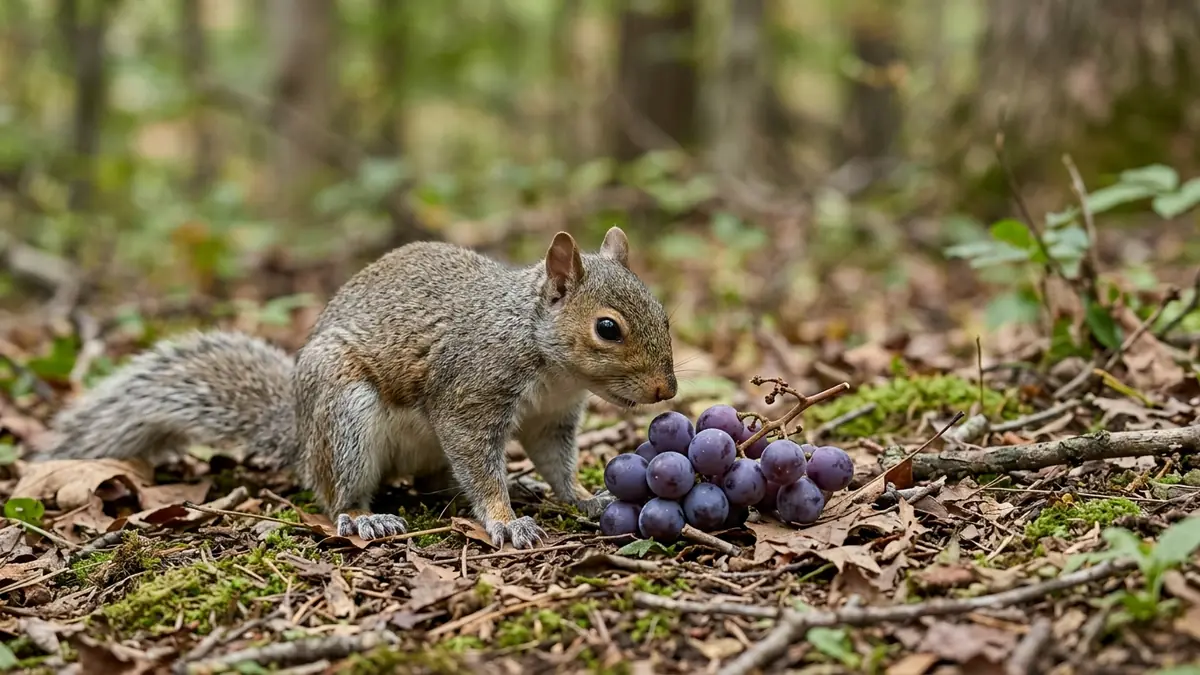
Squirrels may eat fresh grapes, and wild grapes are part of the natural diet of some tree squirrels. Raisins are a different case because they are dried and easy to overconsume.