
Species & Identification
The Ultimate Guide to the Black Squirrel
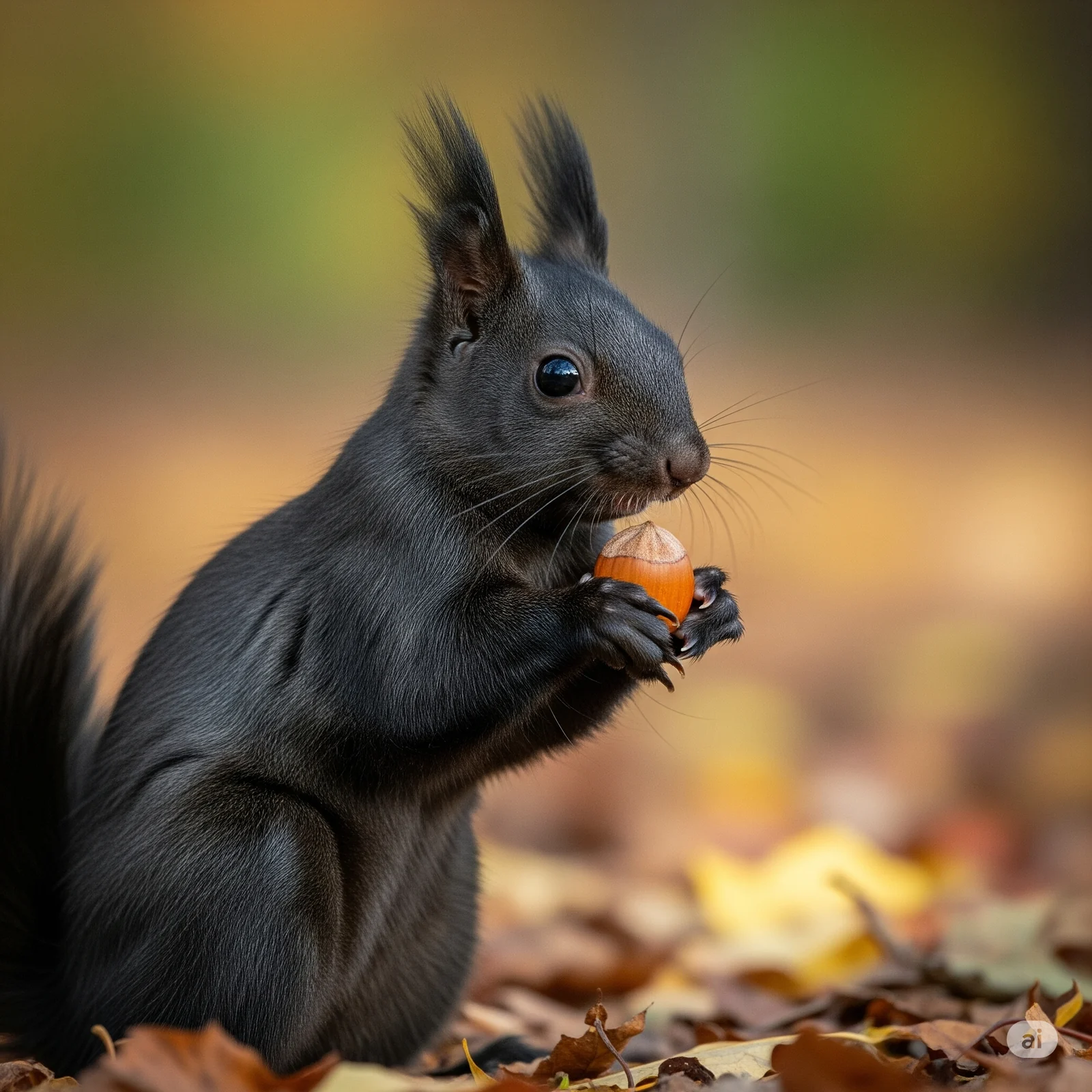
They are a flash of shadow in a world of grey and brown, a living mystery that can stop you in your tracks. The black squirrel—sleek, mysterious, and captivating—is one of nature's most striking variations. Seeing one often sparks a wave of questions: What is it? Is it rare? Is it a sign of something?
If you've ever been curious about these beautiful creatures, you've come to the right place.
This is your one-stop, ultimate guide to the black squirrel. We will cover everything you need to know, from the genetic secret that gives them their color to the specific places you can find them. We'll debunk common myths about their behavior, explore their rich spiritual symbolism, and even show you how to identify the different types you might encounter.
Get ready to become an expert on North America's most fascinating color variant.
What Is a Black Squirrel? The Genetic Secret Behind the Black Coat
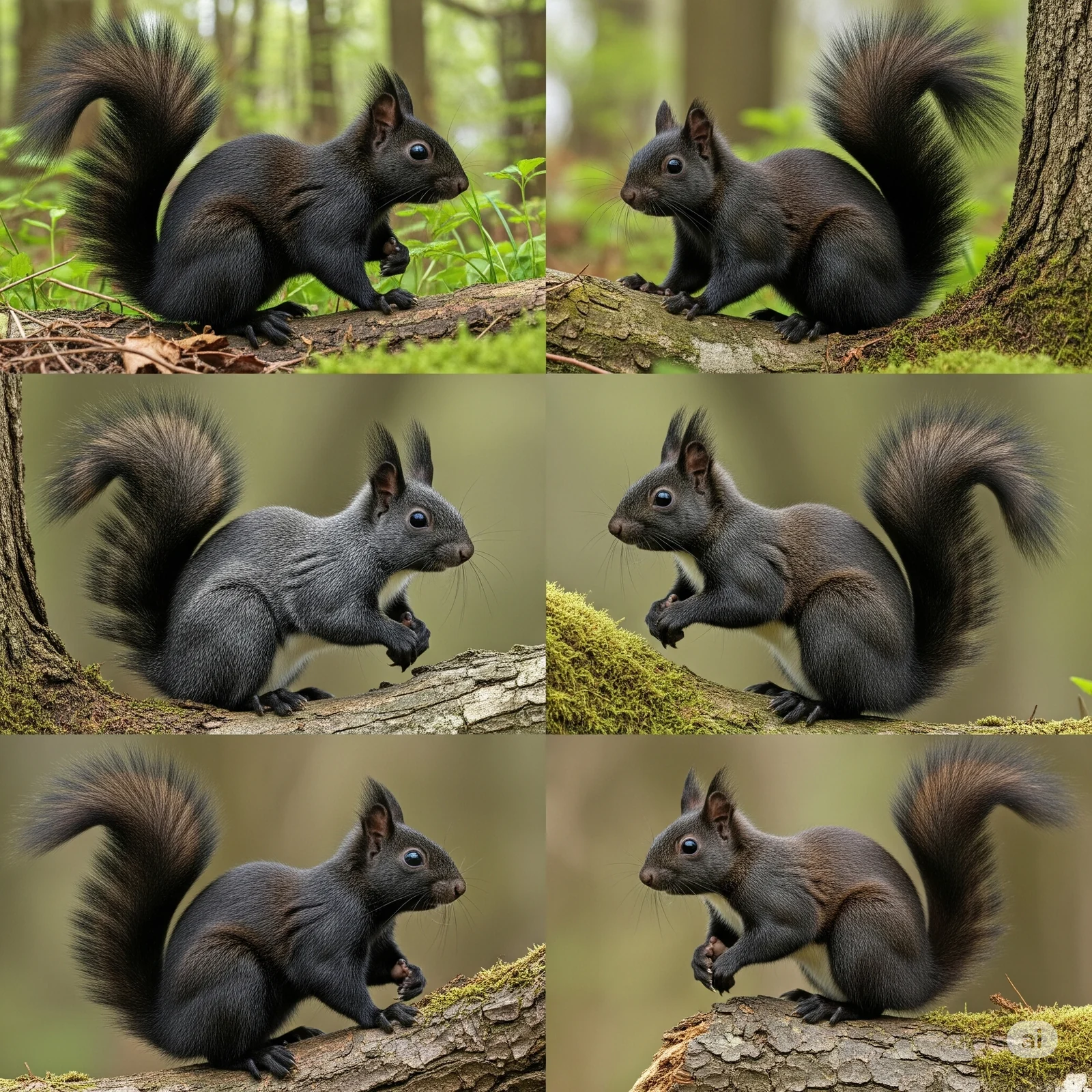
First, let's clear up the biggest misconception. The black squirrel is not a separate species. It is a "melanistic morph," which is a scientific way of saying it's a color variation within another species. In North America, a black squirrel is almost always either an Eastern Gray Squirrel or a Fox Squirrel.
This stunning black coat is the result of a faulty gene that causes an overproduction of melanin, the same dark pigment found in human hair and skin. This genetic trait gives them their signature look, but underneath the fur, they are biologically the same as their more common relatives.
While this is the short version, the full story of their genetics and just how rare they are is truly fascinating. You can dive deep into it in our guide on the rarity and origin of black squirrels.
Where Are Black Squirrels Found? A Map of Their Hotspots
While you can technically find a black squirrel anywhere that gray or fox squirrels live, their populations are concentrated in specific areas, often called the "Black Squirrel Belt." This region primarily includes the Great Lakes states and parts of Canada.
Why there? Their black fur is a major advantage in frigid climates. It absorbs more solar radiation, helping them stay warmer and conserve energy during harsh winters. This thermal advantage has allowed their populations to thrive in places like Michigan, Ohio, and Ontario. They are also famously common on certain university campuses and in cities like Washington D.C., often thanks to historic introduction programs.
For a complete breakdown by state and province, and to see if they live near you, check out our detailed map of black squirrel locations.
The Black Squirrel Personality: Are They Really More Aggressive?
There's a persistent rumor that black squirrels are the bullies of the backyard—aggressive, territorial, and mean to their grey-furred cousins. This myth, however, is almost entirely false.
Since they are the same species, their temperament and behavior are identical. A squirrel's personality is individual; some are timid, and some are bold, regardless of their color. The myth likely exists because their dramatic black color makes them stand out more when they engage in normal squirrel squabbles over food or territory.
There are many myths surrounding their temperament. We debunk all of them and explore their true day-to-day behavior in our guide to black squirrel behavior and myths.
A Sign from Nature? The Spiritual Meaning of a Black Squirrel
For centuries, seeing an animal with a rare or unusual coloration has been considered a special event, often carrying a spiritual message. The black squirrel is no exception.
Seeing one is often interpreted as a powerful symbol of resilience, preparation, and good luck. Its black color represents protection and the potential of the unknown, while its squirrel nature symbolizes resourcefulness and energy. It's often seen as a sign to be strong, prepare for the future, but also to have courage as you step into a new phase of your life.
The symbolism runs deep, with different meanings depending on the context. To fully understand what a black squirrel sighting might mean for you, read our complete guide to their spiritual meaning and symbolism.
How to Identify Black Squirrels: More Variations Than You Think
Once you start looking closely, you'll realize that "black squirrel" is a broad category. There are several variations you can learn to spot. The first step is determining if you're looking at the sleeker Eastern Gray Squirrel or the larger, stockier Fox Squirrel.
From there, you can notice other details. Some black squirrels have a beautiful reddish-brown or cinnamon-colored tail, especially common in Fox Squirrels. Others might have white patches on their chest or paws—a condition known as piebaldism. Learning to spot these differences is a rewarding challenge for any nature lover.
Telling the difference can be a fun. For detailed descriptions and photo examples of all the variations, don't miss our visual guide to identifying black squirrels.
Conclusion
The black squirrel is more than just a beautiful animal. It's a genetic marvel, a symbol of adaptation, and a creature steeped in myth and meaning. Whether you admire them for their looks, their resilience, or their spirit, they are a testament to the incredible diversity of the natural world, often thriving right in our own cities and neighborhoods. The next time you see one, you'll know you're looking at a creature with a truly remarkable story.

About the author
Harry Brian
Wildlife Content Writer and Editorial Contributor
Harry Brian is a wildlife content writer at SquirrelsInfo. He creates and updates practical guides about squirrel behavior, diet, species, habitat, life cycle, and humane coexistence. His goal is to turn complex wildlife topics into clear, useful information for homeowners, gardeners, and curious readers.
Full profile and articles →Keep exploring
Related guides
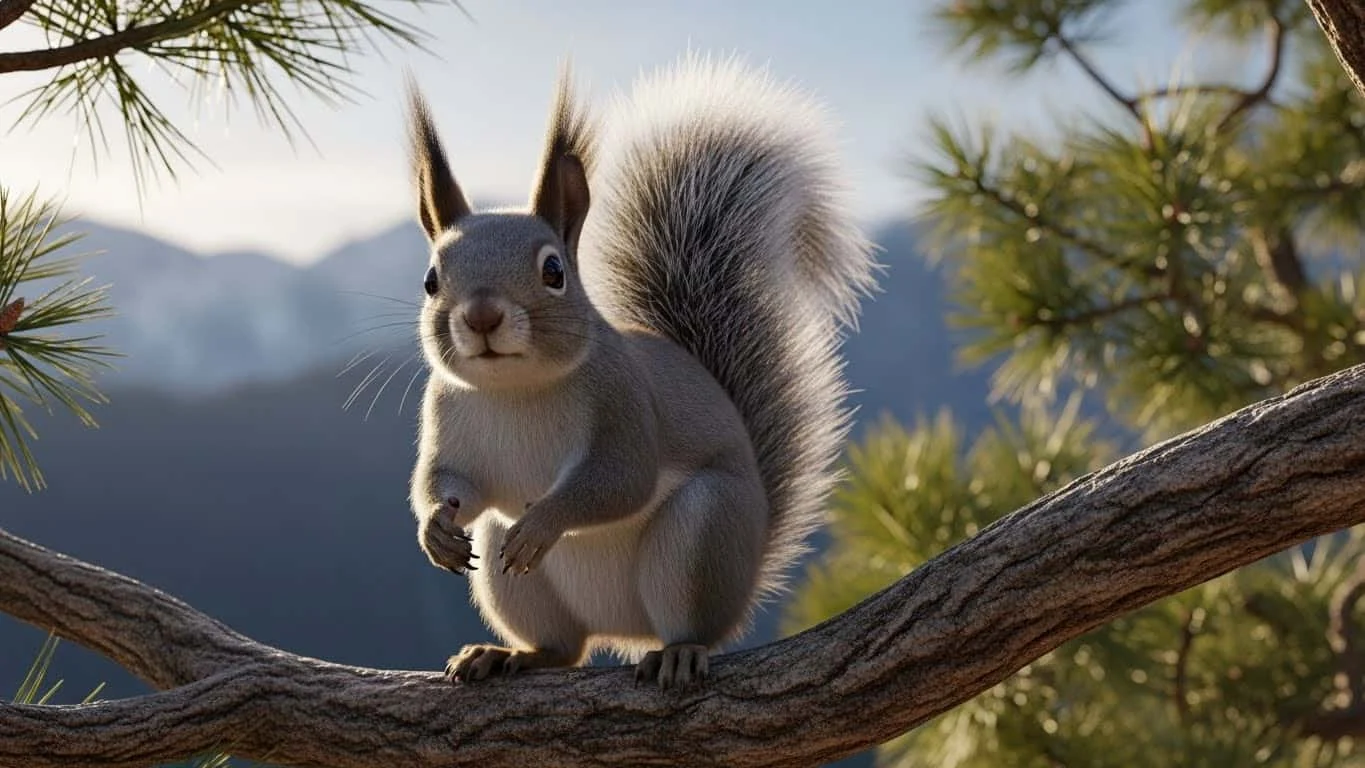
Abert’s Squirrel: The Tassel-Eared Icon of the Ponderosa Pine
If you have ever hiked through the high-altitude forests of the American Southwest, you might have spotted a squirrel that looks like it belongs in a fairytale. With long, elegant ear tufts and a bushy, frosted tail, the Abert’s squirrel is a true gem of the R
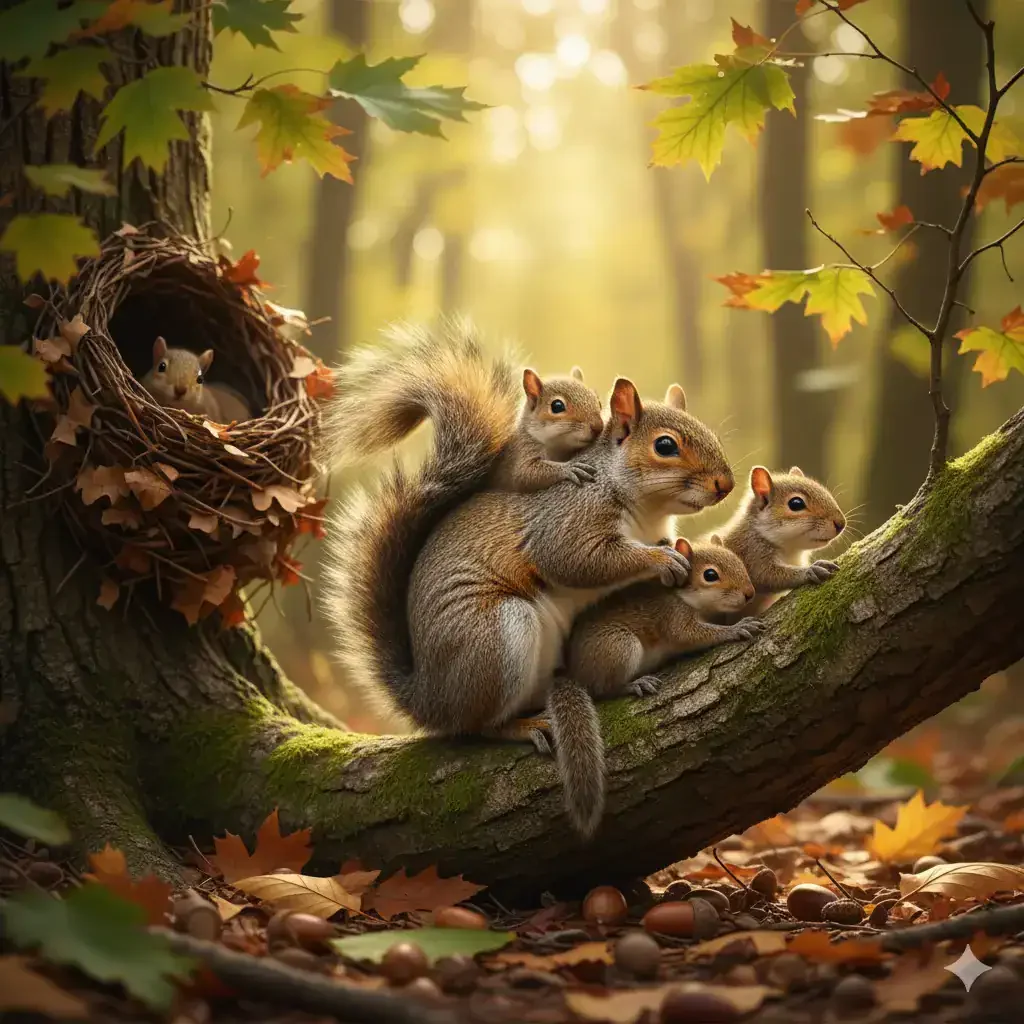
Inside the Secret World of a Grey Squirrel Family: A Complete Guide
Have you ever seen a grey squirrel dash up a tree or leap from branch to branch and wondered—do they live alone or have families? The truth is, there’s a whole hidden world behind that fluffy tail. Grey squirrels may seem like solo adventurers, but their famil
Is a Squirrel a Rodent? Everything You Need to Know
Squirrels are some of the most familiar creatures around, but have you ever wondered whether they are actually rodents? This article dives into the world of squirrels and clears up the confusion. Are they rodents, mammals, or something else? Let’s explore! Und
A Visual Guide to Black Squirrels: Identifying Different Types and Colors
You saw one! A beautiful, mysterious black squirrel darted across the lawn, and you managed to get a good look. But as you watched, you noticed something interesting. Maybe its tail had a distinct reddish glow in the sun, or its face had little hints of white.