
Life Cycle & Lifespan
How Long Do Squirrels Live? Complete Guide to Squirrel Lifespans
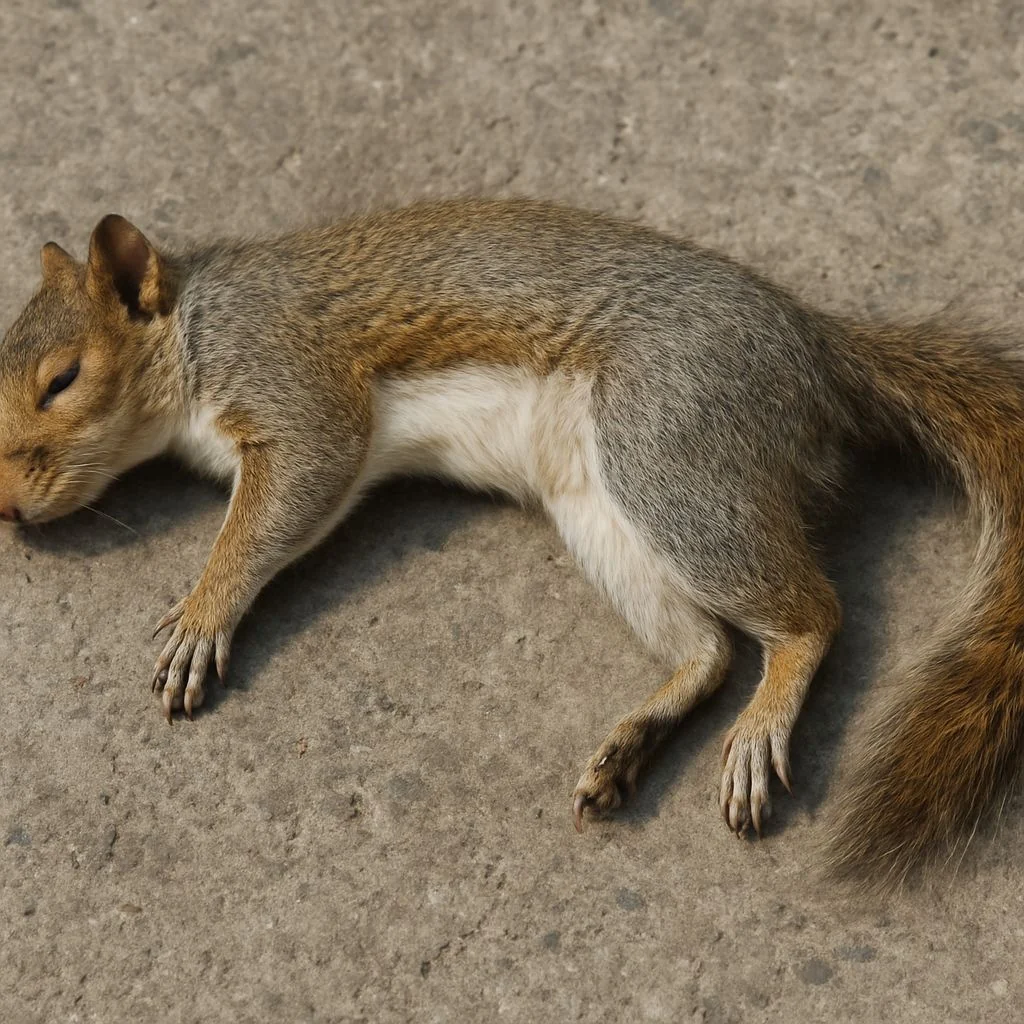
How Long Do Squirrels Live?
Here's the short version: a squirrel that survives its first year can live 6 to 12 years in the wild. But most don't make it that far — roughly three out of four young squirrels die before their first birthday. In captivity, with steady food and vet care, squirrels commonly reach 15 to 20 years.
That gap between wild and captive life is one of the widest you'll find in any common mammal. A gray squirrel dodging hawks in your backyard lives a completely different life from one in a wildlife center. Species matters too — a fox squirrel can outlive a red squirrel by five years or more.
Squirrel Lifespan by Species
| Species | Wild | Captivity |
|---|---|---|
| Eastern gray squirrel (Sciurus carolinensis) | 6–12 years | 15–20 years |
| Fox squirrel (Sciurus niger) | 8–12 years | 12–18 years |
| American red squirrel (Tamiasciurus hudsonicus) | 3–7 years | 8–12 years |
| Southern flying squirrel (Glaucomys volans) | 3–5 years | 8–10 years |
| Northern flying squirrel (Glaucomys sabrinus) | Up to 4 years | Around 8 years |
| Ground squirrels (various) | 4–6 years | Up to 10 years |
| Abert's squirrel | 3–4 years | 7–8 years |
| Western gray squirrel | Up to 12 years | Up to 20 years |
The oldest squirrel on record reportedly lived to 23 years old at the Racine Zoo in Wisconsin — a gray squirrel that became a case study in small-mammal geriatric care. On the other end, the average wild squirrel's life expectancy at birth is only about one year, because so many die young. If a squirrel makes it past year one, its odds improve a lot.
For context, squirrels are long-lived for rodents. A wild rat is lucky to see 2; a pet rabbit averages 8 to 12. Squirrels beat both, mostly because living in trees keeps them away from ground predators. That arboreal lifestyle is the quiet engine behind every number in the table above.
How Long Do Squirrels Live in the Wild?
Wild squirrels live 3 to 6 years on average, though individuals in good habitat reach 10 to 12. That average is dragged down by one brutal statistic: first-year mortality runs 70–75%.
A landmark North Carolina study tracked 1,769 marked gray squirrels over eight years. First-year survival was just 26%. But squirrels that survived to adulthood had a 52% chance of surviving each following year, and adult females slightly outlived males. The study's "ecological longevity" — the age almost no wild squirrel passes — was about 9 years.
What Kills Wild Squirrels
Predators take the biggest toll. Hawks and owls strike from above, especially in open areas. Snakes — rattlesnakes among them — raid nests. On the ground, foxes, coyotes, raccoons, and domestic cats all kill squirrels. Cats alone are a major cause of death in suburban areas.
Food shortages weaken squirrels and make them easier targets. A bad mast year (few acorns and nuts), drought, or habitat loss can starve a local population. Well-fed squirrels cache food for winter and enter the cold months with fat reserves. Hungry ones don't.
Disease and parasites finish what predators start. Squirrel pox virus, mange mites, fleas, ticks, and botfly larvae all weaken squirrels. A sick squirrel is a slow squirrel — and slow squirrels get caught.
Shelter matters more than you'd think. Squirrels build leaf nests called dreys high in tree forks. A sturdy drey protects against storms and cold. A flimsy one collapses in high wind, sometimes killing the babies inside. Tree cavities are even better — insulated, hidden, and reusable year after year.
Wild Lifespan by Species
Gray squirrels are the toughest of the common tree squirrels — 6 to 12 years in good habitat, with verified wild individuals reaching 12 to 13. Fox squirrels, the largest North American tree squirrel, match that at 8 to 12 years. Red squirrels live shorter, harder lives at 3 to 7 years; the longest-lived wild red on record made it to 9. Flying squirrels manage only 3 to 5 years despite gliding away from danger — owls hunt at night too.
How Long Do Squirrels Live in Captivity?
Take away predators, hunger, and weather, and a squirrel's lifespan roughly triples. Captive squirrels regularly live 10 to 20 years depending on species and care.
Four things make the difference:
1. No predators. This alone accounts for most of the lifespan gap. A captive squirrel never spends energy watching the sky.
2. Consistent nutrition. The right captive diet is fruits (apples, bananas, grapes), vegetables (carrots, kale, broccoli), nuts like walnuts and hazelnuts in moderation, and calcium sources such as rodent blocks or plain yogurt. The classic mistake is too many sunflower seeds, corn, or peanuts — high in phosphorus, low in calcium — which causes metabolic bone disease, the number-one killer of poorly kept captive squirrels.
3. Veterinary care. An exotics vet who sees rodents can catch dental overgrowth (squirrel teeth never stop growing), respiratory infections, and parasites early. Annual checkups are the norm for squirrels that live into their teens.
4. Stable environment. No freezing rain flooding the drey, no heat waves, no nest parasites building up year after year.
The Kidney Stone Detail Most Care Guides Miss
Veterinary discussions among squirrel rehabilitators point to urine pH as an underrated longevity factor. Research from the 1970s found the mean urine pH of Eastern gray squirrels is about 6.4. Diets that push pH too far in either direction — below 6.0 or above 7.0 — encourage urinary stones and kidney damage. The practical fix: balance grain-heavy foods with leafy greens and tree fruits, and don't overdo any single food group. It's a small detail, but kidney issues are a common cause of early death in captive squirrels past age five.
Housing That Actually Works
A squirrel needs vertical space — minimum three feet tall, with branches, ropes, and nesting boxes for climbing. Flat hamster-style cages cause stress and muscle loss. Add foraging puzzles and rotate toys weekly; bored squirrels chew furniture, pull fur, and decline fast. Supervised out-of-cage time in a squirrel-proofed room helps more than any toy.
How Long Do Pet Squirrels Live?
Pet squirrels live 10 to 20 years with good care — essentially the same range as other captive squirrels. Gray squirrels trend toward the top of that range (15–20), fox squirrels close behind (15–18), flying squirrels in the middle (10–15), and red squirrels shorter (8–12).
But a long potential lifespan doesn't mean a squirrel is an easy pet. Go in with open eyes:
- Check the law first. Keeping a squirrel is illegal without a permit in California, New York, and Arizona, among others. Florida, Texas, and Michigan allow it with permits. Rules change — call your state wildlife agency before you fall in love with the idea.
- They're destructive. Teeth that never stop growing meet your furniture, walls, and wiring. Squirrel-proofing a room is a real project.
- They need hours of attention daily. Squirrels bond hard and suffer separation anxiety. A squirrel left alone all day can develop depression and self-harming behaviors.
- Potty training is unreliable. Plan for it, don't fight it.
- Bites happen. Even sweet squirrels bite when startled. Their bite can need medical attention.
The owners whose squirrels reach 15+ years share a pattern: species-appropriate diet, huge enriched space, daily interaction, and a vet who knows exotics. Skip any one of those and the lifespan drops fast.
How Long Do Flying Squirrels Live?
Flying squirrels are the shortest-lived of the common tree squirrels: 3 to 5 years in the wild, 8 to 10 years in captivity. Two species cover most of North America:
- Southern flying squirrel (Glaucomys volans) — smaller, 3–5 years wild, 8–10 captive.
- Northern flying squirrel (Glaucomys sabrinus) — larger, cold-climate, up to 4 years wild, around 8 captive.
Being nocturnal helps them dodge hawks, but owls hunt at night and snakes raid their tree cavities. In captivity they're emotionally sensitive — they need calm handling, a quiet space, and social contact. Keepers report that lonely flying squirrels decline even when their physical care is perfect. If you keep one, plan on either a bonded pair or a lot of your evenings.
Baby flying squirrels stay with their mother 8 to 10 weeks, learning to glide before they go solo — a little longer than the 10 to 12 weeks typical for gray squirrel weaning.
Baby Squirrels: Surviving the First Year
A baby squirrel's first year is the most dangerous twelve months in its life. 70 to 80% don't survive it. Understanding why explains almost everything about squirrel lifespan statistics.
Squirrels are born altricial — blind, deaf, hairless, and utterly helpless. Here's how the first year unfolds:
Weeks 0–4: The Pinkie Stage
Newborns weigh about 15 grams — less than a tablespoon of peanut butter. They can't regulate body temperature and live entirely on mother's milk inside the drey. A fall from the nest at this age is fatal without intervention. So is losing the mother: a pinkie without mom lasts one to two days.
Weeks 5–8: Senses Awaken
Fur grows in, ears open around week four, eyes open around week five. Babies start wobbling around the nest entrance — and this is when most fatal falls happen. They still nurse exclusively. If you find a baby this age on the ground, the mother may still retrieve it if you give her an hour or two of quiet.
Weeks 9–12: Weaning and Survival School
Survival odds jump here. Babies sample solid food the mother brings — nuts, seeds, fruit — and learn by copying her: climbing, foraging, freezing at alarm calls. By week 12 they're near adult size.
Week 13 and Beyond: Independence
Young squirrels leave the nest but stay in familiar territory for weeks, learning the local food map and predator patterns. They're officially juveniles now — and officially on the menu for every hawk in the county.
Why So Many Die
Predation is the top killer — hawks and owls snatch nestlings, snakes eat whole litters, cats kill juveniles on the ground. Falls from poorly built or storm-damaged nests kill many more. Cold snaps during spring and fall nesting seasons cause hypothermia in babies that can't yet shiver effectively. And losing the mother — to a car, a predator, or stress abandonment — is a death sentence for unweaned young.
Mother squirrels hedge against these losses reproductively: typical litters are 2 to 4 babies, with two litters per year (early spring and late summer). Even with 75% mortality, a female who breeds for three years can replace herself several times over.
Found a Baby Squirrel? Do This
Watch first, act second. Give the mother at least one to two hours to retrieve a healthy-looking baby — she's probably nearby. If the baby is injured, cold, or covered in flies, it needs a licensed wildlife rehabilitator, not your kitchen. Never feed cow's milk or water to a baby squirrel; improper feeding kills more rescued babies than anything else. Keep it warm and dark while you call for help.
What Affects Squirrel Lifespan? 8 Key Factors
1. Species and genetics. A fox squirrel is built to outlive a red squirrel — bigger body, calmer temperament, broader diet. Within a species, some bloodlines are simply hardier.
2. First-year survival. The single biggest factor. Everything else matters only if a squirrel lives past month twelve.
3. Predator density. Suburban squirrels face cats and cars; forest squirrels face hawks and owls. Fewer predators, longer lives — it's that direct.
4. Food reliability. Squirrels in neighborhoods with mature oak, hickory, and walnut trees live longer than those in food deserts. Mast years (heavy nut crops) produce fatter, healthier juveniles.
5. Disease load. Squirrel pox hits gray squirrels hard in the UK. Mange, botfly larvae, and intestinal parasites drag down condition everywhere. Healthy squirrels fight these off; stressed ones don't.
6. Winter severity. Long, brutal winters kill through starvation and exposure — which is why Canadian squirrels average shorter lives than Florida ones. But mild winters have a cost too: more parasites survive to spring.
7. Human hazards. Cars kill more adult urban squirrels than any predator. Rat poison causes secondary poisoning. Unsecured trash teaches bad habits. Every one of these is preventable.
8. Sex. In the North Carolina study, adult females survived at higher annual rates than males (59% vs 44%) — males roam wider during breeding season and take more risks.
How to Help Squirrels Live Longer
You can't add years to a wild squirrel's life directly, but you can remove the things that cut it short.
For the squirrels in your yard:
- Keep fresh water out year-round — dehydration kills faster than hunger.
- Skip the pesticides. They poison the insects squirrels eat and the soil their food grows in.
- Plant native nut and fruit trees — oaks, hickories, walnuts, serviceberry. One mature oak feeds generations.
- Keep cats indoors, especially at dawn and dusk when squirrels are most active.
- Don't feed bread, chips, or candy. If you feed squirrels, offer unsalted nuts in shells — the shells keep their teeth trimmed.
- Leave dead trees standing where safe — cavities are prime squirrel real estate.
For a squirrel in your care:
- Feed a species-appropriate diet with proper calcium balance — this alone prevents the most common captive killer, metabolic bone disease.
- Provide a tall, enriched enclosure and rotate enrichment weekly.
- Find an exotics vet before you need one — not after.
- Give daily social time. A lonely squirrel is a declining squirrel.
- Watch urine pH and kidney health past age five, especially in grays.
Frequently Asked Questions
How long do squirrels live on average?
Wild squirrels average 3 to 6 years, though most of that average is dragged down by babies that die in year one. A squirrel that survives to adulthood typically lives 6 to 12 years in the wild and 15 to 20 in captivity.
What is the oldest squirrel ever recorded?
A gray squirrel at the Racine Zoo in Wisconsin reportedly lived to 23 years old — the longest-lived squirrel on record. In the wild, verified individuals have reached 12 to 13 years.
Why do so many baby squirrels die?
About 70–75% die in their first year, mostly from predation (hawks, owls, snakes, cats), falls from nests, cold snaps, and losing their mother. Babies are born blind and helpless, so the first two months are the deadliest.
Do squirrels live longer in cities or forests?
It depends on the city. Suburbs with mature trees, few cats, and supplemental feeding can be excellent squirrel habitat — some urban grays live 10+ years. But busy roads and heavy cat populations flip the advantage back to forests.
Can a squirrel really live 20 years?
In captivity, yes — gray squirrels and fox squirrels regularly reach 15 to 20 with good care. In the wild, 20 is essentially unheard of; 12 is exceptional.
How long do gray squirrels live compared to red squirrels?
Gray squirrels live about twice as long: 6–12 years wild (15–20 captive) versus 3–7 years wild (8–12 captive) for reds. Grays are bigger, more adaptable, and less territorial.
Do male or female squirrels live longer?
Females, slightly. A long-term study found adult females had a 59% annual survival rate versus 44% for males — males roam farther during breeding season and take more risks.
How can you tell how old a squirrel is?
There's no reliable visual method for exact age in the field. Rehabilitators estimate by weight, fur development, and eye/ear status in babies. In adults, worn teeth and graying muzzles suggest an older animal, but it's a rough guess.
Is it legal to keep a squirrel as a pet?
It depends entirely on where you live. Several US states ban it outright; others require wildlife rehabilitation permits. Always check with your state wildlife agency first — and remember a pet squirrel is a 15-to-20-year commitment.
What kills squirrels more than anything else?
For babies: predators, especially hawks, owls, and cats. For adults in the wild: predators plus cars. In captivity: poor diet — specifically calcium deficiency leading to metabolic bone disease.
Sources
- Barkalow, F.S. & Hamilton, R.B. — Long-term gray squirrel survival study, North Carolina (1956–1964), via ResearchGate: first-year survival 0.26, adult survival 0.52, ecological longevity ~9 years. ResearchGate publication
- Cudworth, N.L. & Koprowski, J.L. (2014) — "Survival and mortality of the Arizona gray squirrel," The Southwestern Naturalist 59(3): 423–426. Full PDF
- Eastern gray squirrel — Wikipedia: taxonomy, lifespan data, subspecies. en.wikipedia.org/wiki/Eastern_grey_squirrel
- Hinterland Who's Who — Eastern Grey Squirrel factsheet (Canadian Wildlife Service): development timeline, wild lifespan to 13 years. Factsheet PDF
- The Squirrel Board — "Senior age??" veterinary discussion: urine pH 6.4 baseline, kidney stone prevention through diet. thesquirrelboard.com
- "Longevity in Squirrels Explained: From Wild Life to 23-Year Record Holder" — educational documentary covering the Racine Zoo record holder. youtube.com/watch?v=BIr4SXY4EXo

About the author
Harry Brian
Wildlife Content Writer and Editorial Contributor
Harry Brian is a wildlife content writer at SquirrelsInfo. He creates and updates practical guides about squirrel behavior, diet, species, habitat, life cycle, and humane coexistence. His goal is to turn complex wildlife topics into clear, useful information for homeowners, gardeners, and curious readers.
Full profile and articles →Keep exploring
Related guides
When Do Squirrels Have Babies? The Ultimate Guide by Species & Season
Squirrels, those bushy-tailed acrobats of our parks and backyards, are a delightful presence. But have you ever wondered when these energetic creatures bring their own little ones into the world? The answer isn't a simple date on a calendar, as the timing of s