How to Get Rid of Ground Squirrels Permanently: Guide for Your Yard & Garden
- December 29, 2025
- by
- John Miller
Waking up to find your backyard looking like a minefield is a frustrating rite of passage for many homeowners. These aren’t your typical tree-climbing squirrels; ground squirrels are the construction workers of the rodent world. They build massive, interconnected underground cities that can weaken your porch, kill your grass, and ruin your garden in a single season. If you’ve seen damaged turf or chewed irrigation lines, it’s time to stop the “patchwork” fixes and start a real eviction plan.
What is the Best Way to Get Rid of Ground Squirrels?
The most effective strategy to get rid of ground squirrels permanently is a “triple-threat” approach: habitat modification, physical exclusion, and consistent trapping. To see lasting results, you must remove food sources (like fallen birdseed), install 1/4-inch hardware cloth barriers at least 6 inches deep around structures, and backfill old burrows with heavy gravel to prevent new families from moving in.
Why a “One-and-Done” Approach Doesn’t Work
Many homeowners struggle with re-infestation because they treat squirrel removal as a single event. These rodents are social and prolific breeders. A single cleared burrow is often viewed as “prime real estate” for a new family from a neighboring colony. If you only remove the current population without sealing the tunnels or removing the food, you are simply creating a vacancy for the next generation.
Ground Squirrel vs. Tree Squirrel: Identifying Your Pest
Before spending money on deterrents, confirm you are actually dealing with a ground squirrel. While they share some physical traits with tree squirrels, their biology and behaviors are vastly different. Identifying the correct species ensures you don’t waste time on tree-squirrel tools like baffles, which don’t work on a pest living beneath your feet.
| Feature | Ground Squirrels | Tree Squirrels (Gray/Fox) |
| Primary Habitat | Underground burrows. | Leaf nests (dreys) or tree cavities. |
| Behavior | Scurry into holes when startled. | Retreat up trunks or jump branches. |
| Tail Appearance | Shorter, less bushy. | Long, very bushy. |
| Hibernation | True hibernators; inactive in winter. | Active year-round. |
2. Identification: Is it a Ground Squirrel, Gopher, or Mole?
You can’t fix a problem if you aren’t 100% sure what’s causing it. Many people buy gopher traps only to realize they have squirrels. While both live in the dirt, their “fingerprints” are different.
Identifying Activity in Your Yard
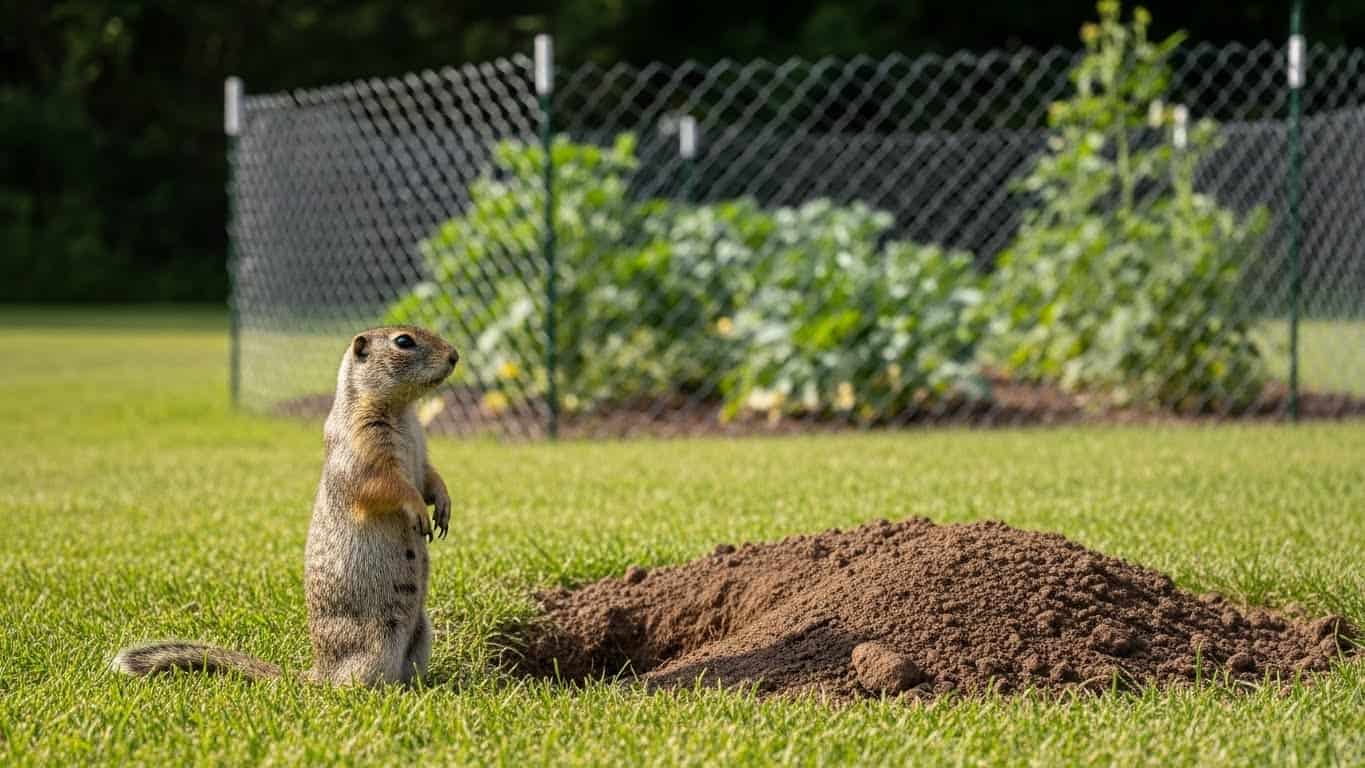
Ground squirrels are day-shifters. If you see a small, brownish rodent darting into a hole the moment you walk outside, that’s your culprit. Look for open burrow entrances (2-4 inches wide) and “sentinels”—squirrels standing perfectly upright on their hind legs on guard duty. If you hear a sharp, bird-like whistling sound, they are signaling the colony to dive underground.
Ground Squirrel vs. Gophers vs. Moles
| Feature | Ground Squirrel | Pocket Gopher | Mole |
| Hole Appearance | Open, 2-4 inches wide. | Fan-shaped mound. | Volcano-shaped mound. |
| Entrance | Always stays open. | Plugged with a “dirt cork.” | Hidden under the mound. |
| Lawn Damage | Visible holes and eaten plants. | Large dirt piles; root damage. | Raised ridges or squishy tunnels. |
3. Natural and Humane Methods (Without Poison)
If you want to keep things eco-friendly, focus on making your yard uncomfortable. One of the best natural methods is habitat modification. Clean up brush piles, tall grass, and rock heaps that give them a place to hide from hawks.
Strategies for “Eviction”
- Castor Oil Soaks: These rodents hate the taste and smell. When it soaks into the soil, it makes their favorite roots taste terrible.
- Live Trapping: Using a humane cage trap (like a Havahart) works well when baited with peanut butter.
- Scent Barriers: Predator urine (fox or coyote) signals that a predator is nearby.
- Vinegar and Garlic: Spraying a 50/50 mix of white vinegar and water around the perimeter of a shed can act as a temporary deterrent.
- Motion-Activated Sprinklers: A quick blast of water startles the animal and conditions it to avoid your prized flower beds.
- Sound and Vibration: Solar-powered sonic stakes can help, but squirrels often get used to them. They work best as a secondary tool alongside fencing.
4. Species-Specific Removal Strategies
A strategy for a California orchard might not work for a 13-lined squirrel in a Midwestern backyard.
The Thirteen-Lined Ground Squirrel
Common in Illinois and Iowa, these are often mistaken for chipmunks because of their stripes. Because they are smaller and less social, simple snap traps or small live traps baited with oats work wonders. Removing them in early spring before they breed in May prevents a localized explosion.
The California Ground Squirrel
The “heavyweight” of the group. They are larger, grayish-brown, and incredibly bold. Because they are strong diggers, you must use heavy-duty hardware cloth for exclusion. If you notice squirrels with darker fur, refer to our black squirrel identification guide to confirm the species before acting.
Desert, Richardson, and Round-Tailed Ground Squirrels
- Richardson Ground Squirrels: Found in the northern plains (like Wyoming and Montana). They live in massive colonies; you must treat the entire burrow system simultaneously.
- Round-Tailed and Desert Squirrels: In Arizona (Tucson and Phoenix), these may disappear into “estivation” (summer hibernation) during extreme heat. Target them in the early morning hours of spring when they are out foraging for succulent plants.
5. Regional Removal Guides (Laws for 2025)
- California: These are “nongame mammals.” You can legally remove them if they damage your property, but relocation is restricted, you must release them on the same property or euthanize them. Be careful not to harm the protected Mojave ground squirrel.
- Arizona: You often need a permit from the Game and Fish Department to relocate them to the desert. They are very active near horses and irrigation lines.
- Midwest (Iowa/Illinois): Usually considered a nuisance. Check your local municipal code, as some Chicago-area suburbs have stricter trapping ordinances than rural counties.
6. Protecting Your Home and Structures
Ground squirrels love to dig along solid edges, making foundations, sheds, and wooden decks prime targets.
The “L-Footer” Trench
To prevent foundation damage, dig a 12-inch deep trench around your foundation or shed. Install 1/4-inch galvanized hardware cloth and bend the bottom 6 inches outward in an “L” shape before burying it. When a squirrel digs down, it hits the mesh and gives up.
Attics, Garages, and Crawl Spaces
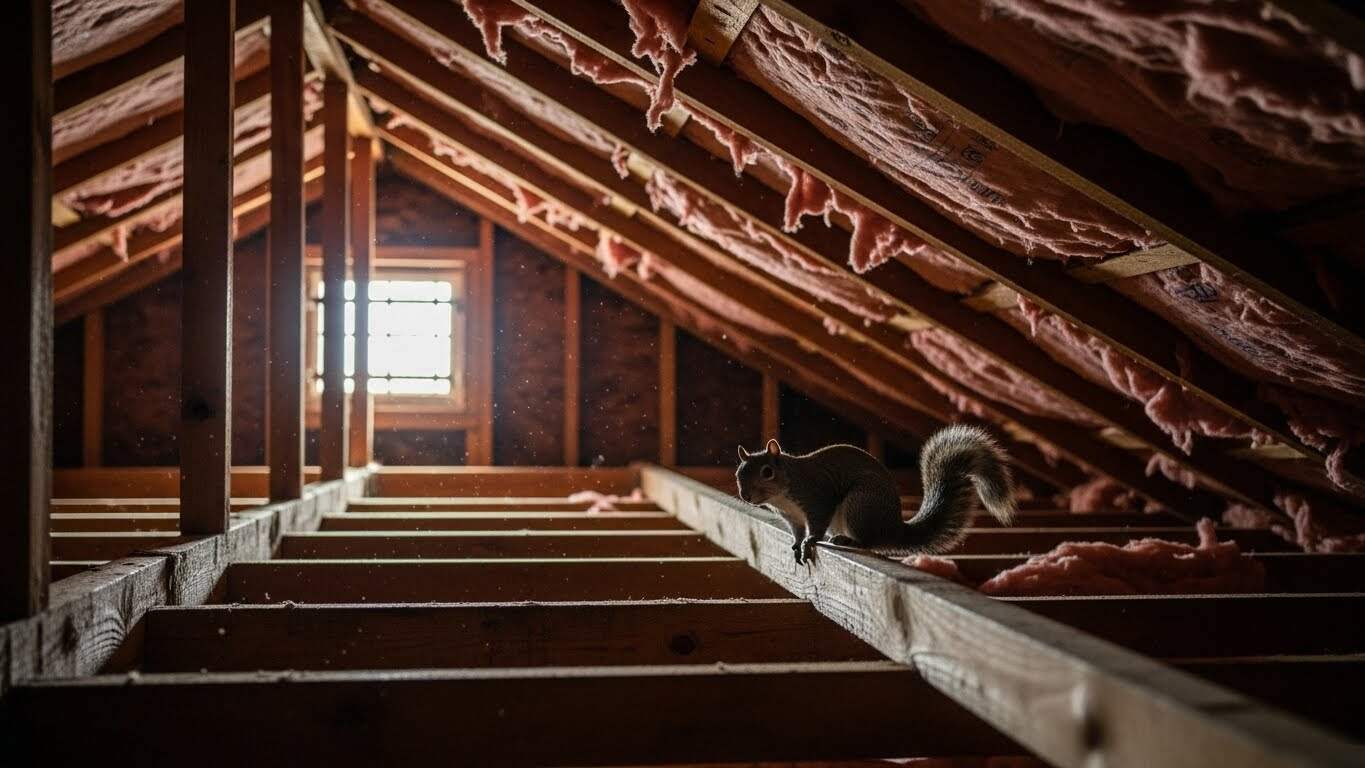
While they prefer the dirt, they will move into a garage if they find a gap. Replace plastic vent covers with metal ones. If you hear scratching in the walls, you might wonder, do squirrels make nests in high places? Yes, especially if seeking warmth. Keep your garage floor clear of boxes to remove their hiding spots.
7. Garden and Yard Protection
If your yard is full of fallen birdseed or open compost, you’re rolling out the red carpet. Switch to “no-mess” seeds and check out our guide on how to keep squirrels out of bird feeders to cut off their food supply.
Protecting Your Vegetables
- Raised Beds: Line the bottom with hardware cloth before adding soil. This prevents tunneling from underneath. See more in our guide on how to protect raised garden beds and pots from squirrels.
- Gravel Borders: A 12-inch wide strip of heavy decorative gravel around garden beds makes digging uncomfortable for their paws.
- DIY Hardware Store Solutions: You can find heavy-duty metal traps and high-concentration peppermint oil sprays at places like Lowe’s or Home Depot for quick, temporary relief.
8. Long-Term Maintenance: Preventing the “Vacuum Effect”
An empty burrow creates a vacuum that draws in new inhabitants. To stop this, use the Deep Fill Method.
Don’t just use dirt. Pour a mix of 3/4-inch crushed rock or gravel into the hole. Seal it with a bentonite clay or thick mud slurry to “cement” the rocks in place. By making the physical effort of re-opening the hole harder than digging a new one, you convince the squirrels to move elsewhere.
If you are dealing with a massive infestation, knowing when squirrels have babies is vital. You don’t want to seal an entrance if there are kits inside. If you see more than 10 squirrels active at once, it’s time to call a professional who can use pressurized carbon monoxide (CO) machines to reach deep into the “heart” of the tunnel system.
Frequently Asked Questions
The fastest way is active trapping combined with filling burrows. Set traps early in the morning with peanut butter or sunflower seeds.
This is a myth. It is ineffective and not recommended. Stick to proven exclusion and trapping.
Fill them with crushed rock and tamp it down firmly. If the hole is near a foundation, use a mix of gravel and concrete slurry.
Rarely. Since they live in established colonies and hibernate in the same spot, they won’t leave unless the food disappears or they feel threatened. Knowing where squirrels sleep can help you identify which areas of your property are most at risk.
You may also Like

How to Care for an Infant Squirrel: The Ultimate Rescue & Survival Guide