
Humane Control & Prevention
How to Keep Squirrels Out of Your Garden: The Ultimate Guide
Why Do Squirrels Invade Gardens?
Squirrels don't raid your garden by accident. They're after three things: food, water, and shelter. Your tomato plants, corn stalks, sunflower heads, and berry bushes are a free buffet. A birdbath or sprinkler gives them water. Dense shrubs, woodpiles, or overhanging trees give them cover.
It helps to know which squirrel you're dealing with. Tree squirrels (gray, fox, red) climb, jump up to 10 feet between branches, and raid from above. Ground squirrels dig tunnel systems and attack from below. Most garden damage in the US comes from tree squirrels — they're the ones stripping your tomatoes and digging up bulbs.
Squirrels also cache food — they bury nuts and seeds to eat later, then dig them back up. That digging instinct is why your freshly planted beds get torn apart. The loose soil smells like opportunity to them.
15+ Proven Ways to Keep Squirrels Out of Your Garden
No single trick works forever. Squirrels are smart and they adapt. The gardeners who win combine 2-3 methods and rotate them every few weeks. Here are the methods ranked from most to least effective.
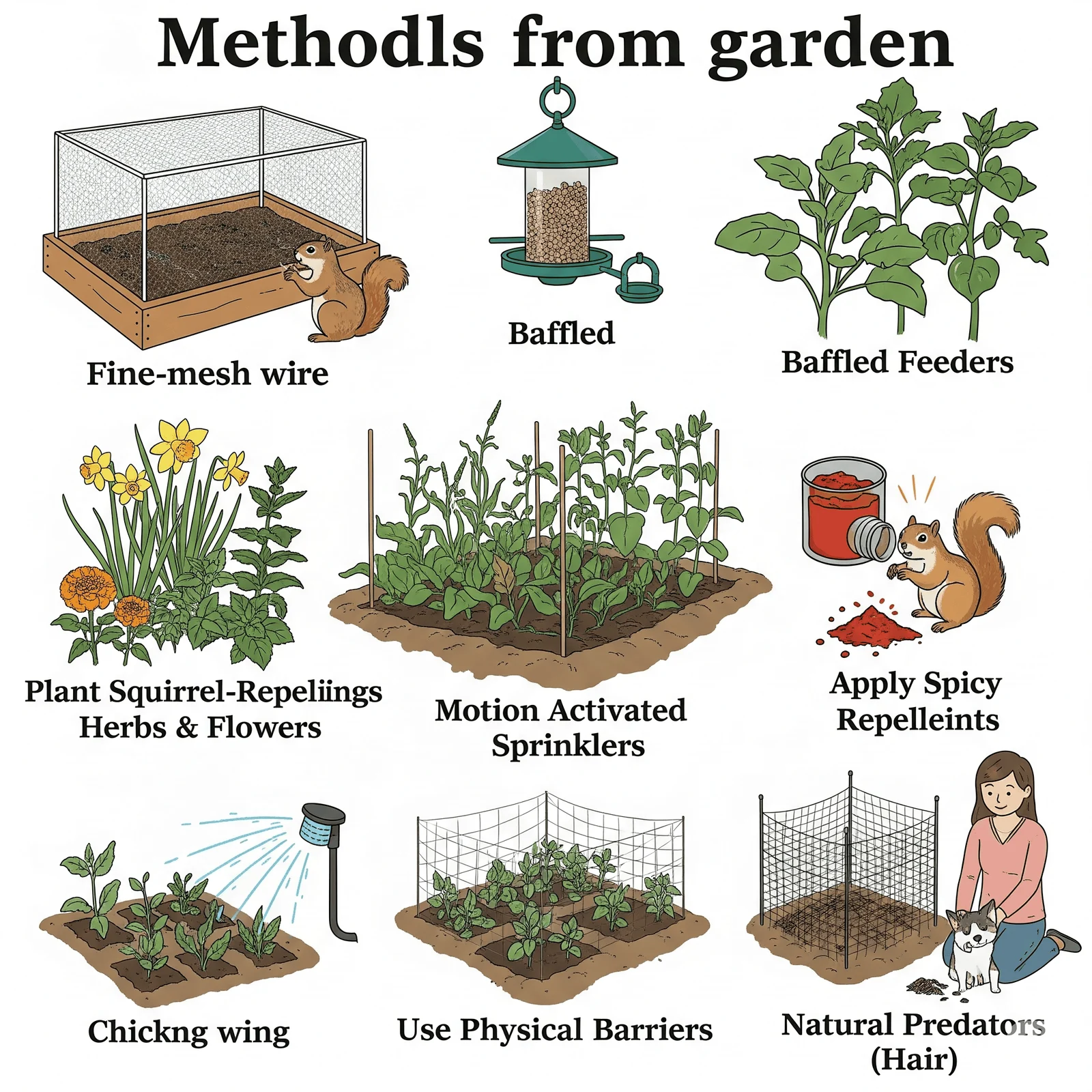
1. Hardware Cloth Fencing (Most Effective)
This is the gold standard. Hardware cloth beats chicken wire every time — squirrels chew straight through chicken wire but can't get through welded metal mesh.
- Mesh size: ½-inch openings or smaller. Anything bigger and young squirrels squeeze through.
- Height: at least 4 feet above ground for tree squirrels.
- Buried: 6-12 inches underground, bent outward in an L-shape to stop digging.
- Material: galvanized steel so it doesn't rust. Skip wood framing where squirrels can reach — they'll gnaw it.
- Top: for serious climbers, bend the top 6 inches outward. Squirrels can't grip the overhang.
A full walk-in enclosure — frame plus hardware cloth on all sides including the roof, with a latched gate — protects your garden year-round. It costs more up front but ends the battle permanently.
2. Garden Netting Over Crops
For fruit trees, berry bushes, and vegetable rows, netting is fast and cheap. But don't just toss it over plants — loose netting traps birds and squirrels, which is cruel and illegal in some areas.
- Build a simple frame from PVC pipe or wire hoops first.
- Drape netting over the frame so it never touches the plants.
- Use ½-inch mesh. Bigger holes let squirrels through.
- Pick dark-colored netting — it blends in and won't scare off bees and butterflies.
- Pin the bottom edge tight with garden staples or rocks. Check weekly for sagging.
3. Motion-Activated Sprinklers
These detect movement and fire a burst of water. Squirrels hate being startled by water and learn to avoid the area after 2-3 soakings. Place them to cover garden entry points, not the whole yard. They work day and night and double as irrigation.
4. Capsaicin (Hot Pepper) Spray
Capsaicin — the heat in chili peppers — is one of the most tested squirrel repellents. Squirrels taste it once and remember.
DIY recipe: mix 2 tablespoons cayenne pepper, 1 tablespoon dish soap, and 1 quart of water in a spray bottle. Shake well. Spray on leaves and stems — not directly on fruit you'll eat raw. Reapply after rain. Always wash produce before eating.
For a stronger batch: boil 1 tablespoon cayenne, 1 chopped onion, and 1 garlic clove in 1 liter of water. Cool, strain, and spray. Test on one leaf first — strong mixes can burn tender plants.
5. Predator Urine Granules
Fox and coyote urine granules trigger a squirrel's hardwired fear response. Scatter them around the garden border, not on plants. They're sold as dry granules (less smell for you than liquid). Reapply every 2-3 weeks and after heavy rain. This works best combined with a physical barrier.
6. Blood Meal
Blood meal is dried animal blood sold as fertilizer. To squirrels, it smells like a kill site — somewhere a predator has been. Sprinkle it around (not on) your plants. Bonus: it's high in nitrogen, so your plants get fed while squirrels stay away. Reapply after rain.
7. Coffee Grounds
Used coffee grounds smell strong to squirrels and confuse their noses. Let them dry first, then sprinkle lightly around plant bases. They also feed earthworms and add nitrogen to soil. Don't pile them thick — too much can acidify soil and harm seedlings.
8. Irish Spring Soap
Plenty of gardeners swear by this one. The strong perfume smells unnatural to squirrels and they avoid it. Grate bars of original-scent Irish Spring, put shavings in mesh bags or old pantyhose, and hang them around the garden. Replace weekly or after rain.
9. Companion Planting
Some plants naturally repel squirrels with smell or taste. Plant them as a border around vulnerable crops:
- Alliums (garlic, onions) — strong smell squirrels avoid
- Mint — spreads fast, smells strong (plant in pots or it takes over)
- Marigolds — bitter taste, bright color, easy to grow
- Daffodils and hyacinths — toxic to squirrels, great bulb bodyguards for tulips
- Rosemary, lavender, oregano — strong-scented herbs that double as kitchen herbs
Companion planting alone won't stop a determined squirrel, but it makes your garden less inviting as part of a layered defense.
10. Peppermint and Garlic Oil Sprays
Mix 10-15 drops of peppermint oil per quart of water with a squirt of dish soap (the soap helps it stick). Spray around pots, beds, and fence posts. Garlic oil works the same way. Test on one leaf first — oils can burn soft foliage in hot sun. Never spray directly on strawberries or soft fruit.
11. Visual Scare Tactics
Shiny, moving objects startle squirrels. Hang old CDs, pie tins, or reflective scare tape near vulnerable plants. Pinwheels add motion plus flashes of light. The catch: squirrels figure out fakes fast. Move everything every 3-4 days or they stop working. Use these as backup, not your main defense.
12. Fake Predators (With a Catch)
Plastic owls and rubber snakes scare squirrels for about a week. Then the squirrels realize they never move. If you use them, relocate them every few days and pick models with moving heads. They buy you time while your real defenses go up.
13. Prune Jump Routes
Tree squirrels reach gardens by jumping from branches, fences, and roofs. Cut back any branch within 8-10 feet of your garden. This one change removes their highway and forces them to cross open ground, where they feel exposed.
14. Remove the Welcome Mat
Walk your yard and remove what attracts them: fallen fruit, spilled birdseed, open compost, unsecured trash cans. Clean up bird feeder spills daily during growing season — or move feeders far from the garden entirely.
15. The Decoy Feeding Station
This sounds backward, but it works: set up a squirrel feeder far from your garden with corn, nuts, or seeds. Busy squirrels with full bellies raid gardens less. Place it at the far end of your yard, away from crops. Think of it as a peace treaty.
16. Dog or Human Hair
Scatter hair from your brush or your dog's grooming around garden edges. To squirrels it smells like a predator was just here. It's free if you have a shedding pet. Reapply after rain.
| Method | Cost | Effort | Lasts |
|---|---|---|---|
| Hardware cloth fence | $$$ | High (one-time) | Years |
| Netting on frames | $$ | Medium | 1-2 seasons |
| Motion sprinklers | $$ | Low | Ongoing |
| Capsaicin spray | $ | Low | Until rain |
| Predator urine | $$ | Low | 2-3 weeks |
| Companion planting | $ | Medium | Growing season |
| Visual scares | $ | Low | Days (move often) |
When to Set Up Your Defenses
Timing matters. Install fencing and covers in early spring, before planting — squirrels investigate new digging within days. Start repellent sprays when seedlings emerge, since young plants are most vulnerable. In fall, protect newly planted bulbs immediately; squirrels watch you plant and dig them up the same night. Winter is maintenance season: check fences for chew damage and restock granules before spring growth starts.
Protecting Your Vegetable Garden: Crop-by-Crop
Vegetable gardens get hit hardest because everything is edible and easy to reach. Here's how to defend specific crops.
Tomatoes
Squirrels love taking one bite out of every tomato and moving on. Fight back by harvesting tomatoes at the breaker stage (first blush of color) and ripening them indoors — they taste the same and squirrels ignore unripe fruit. Cover plants with tomato cages wrapped in bird netting. A ring of cayenne spray around (not on) the plant helps too.
Corn
Corn stalks are basically squirrel ladders. Wrap each ear in a small mesh bag (organza gift bags work) or a cut section of pantyhose once silks appear. Tie scare tape between rows. Motion sprinklers aimed at the corn patch are very effective here.
Berries and Beans
Cover rows with netting on hoops so it doesn't touch the fruit. Secure every edge with clips or rocks — one gap and squirrels walk right in. Harvest berries as soon as they ripen; don't leave ripe fruit hanging overnight.
Root Vegetables and Leafy Greens
Squirrels dig up carrots, beets, and freshly seeded beds. Lay hardware cloth flat over the soil, cutting holes only where plants emerge. Or cover new beds with netting until sprouts are 3-4 inches tall. A thick mulch layer also hides the smell of fresh digging.
Bulbs
Fall-planted tulip and crocus bulbs are a favorite target. Plant them 6-8 inches deep (deeper than the package says) and lay chicken wire flat over the bed before mulching. Interplant daffodils — squirrels won't touch them and they guard neighboring bulbs.
Protecting Raised Beds and Containers
Raised beds and pots are squirrel magnets: soft loose soil, easy access, often sitting near fences or decks that serve as highways. Here's what works.
Build a Bed Cover or Cage
The best fix is a fitted cover. Build a box frame from PVC pipe or wood strips sized to your bed. Stretch hardware cloth or garden netting over it and secure with zip ties or staples. Leave one side hinged or flapped so you can open it for watering and harvest. Bury the bottom edge a few inches into the soil so squirrels can't push under.
For single pots, flip a wire basket or old kitchen strainer upside down over the plant. Instant mini-cage, nearly free.
Top-Layer Barriers
Squirrels dig because the soil is soft. Make the surface unpleasant:
- Coarse gravel or river stones — heavy and awkward to dig through
- Pine cones or rough bark mulch — prickly under paws
- Chicken wire laid just under the surface — they hit metal and give up
- Plastic forks, tines up — handles buried, looks silly, works great for seedlings
Container-Specific Tricks
Move pots away from railings, fences, and tree branches — even 3-4 feet of open space helps. Add pinwheels or small wind spinners to pots for motion. Spray peppermint oil around (not on) container rims. For balconies, a simple netting drape over a tomato cage does the job.
DIY Solutions That Actually Work
You don't need to spend much. These home remedies have the best track record among gardeners:
- Cayenne spray — the recipe above. Cheapest effective repellent.
- Coffee grounds — free if you brew coffee. Dry, sprinkle, repeat.
- Irish Spring soap shavings — a few dollars, lasts weeks in mesh bags.
- Companion planting — marigolds and mint cost almost nothing.
- Branch pruning — free, and removes their access route permanently.
- Decoy feeder — a $10 corn feeder at the far end of the yard.
Combine 2-3 of these and rotate every few weeks. Squirrels are clever — the same trick in the same spot stops working. Keep them guessing.
What About Rabbits and Birds?
Often it's not just squirrels. Here's how to handle the usual accomplices without building three separate defenses.
Rabbits
Rabbits don't climb much, but they dig and jump (up to 2 feet high). The good news: a fence built for squirrels usually stops rabbits too, with two tweaks. Use mesh no larger than 1 inch — baby rabbits squeeze through bigger holes. Bury the fence 6-10 inches deep to block their tunnels. Blood meal and predator urine repel both species. Plant lavender, rosemary, and onions around edges — rabbits hate them as much as squirrels do.
Birds
Birds and squirrels target the same crops: berries, sunflowers, seedlings, tomatoes. Netting on frames handles both at once — it's the single best shared defense. Add reflective scare tape or old CDs for birds specifically (they're more visual than squirrels). If you feed birds, use squirrel-proof feeders with baffles, hang them 10+ feet from trees and 4+ feet off the ground, and clean up spills daily. Better yet, move the feeding station far from your garden.
One fence, one netting setup, one repellent routine — all three pests handled together.
What NOT to Do
Some "solutions" cause more harm than squirrels ever could. Avoid these:
- Poison — kills owls, hawks, pets, and anything that eats a poisoned squirrel. It's also illegal for squirrel control in many states. Never use it.
- Glue traps — inhumane and indiscriminate. They trap birds, lizards, and beneficial insects too.
- Mothballs — toxic to soil, pets, and kids. The pesticide naphthalene is regulated by the EPA for indoor use only. Don't scatter them in your garden.
- Relocating trapped squirrels — illegal in many states without a permit, and relocated squirrels usually die. Check your local wildlife agency before even considering traps.
- Ultrasonic repellers — studies and gardener reports agree: expensive gadgets with little to no effect. Save your money.
- Loose netting tossed over plants — traps and kills birds, squirrels, and snakes. Always use framed netting with secured edges.
When in doubt, check with your state wildlife agency or local extension office. Squirrel protection laws vary — some species are protected, and control methods that are legal in one state may not be in another.
Frequently Asked Questions
What smell do squirrels hate the most?
Capsaicin (hot pepper), predator urine (fox/coyote), peppermint oil, and vinegar rank highest in gardener reports. No scent works permanently alone — reapply every 1-2 weeks and after rain, and pair scents with a physical barrier for real results.
Does Irish Spring soap really repel squirrels?
Many gardeners report success. The strong perfume confuses squirrels' noses. Grate the bar, put shavings in mesh bags, and hang them around beds. It works best as one layer of defense, not the only one. Replace after rain.
How do I stop squirrels from digging up my bulbs?
Plant bulbs 6-8 inches deep, lay chicken wire flat over the bed before mulching, and interplant daffodils (squirrels won't touch them). For existing beds, top-dress with gravel or pine cones.
Will coffee grounds hurt my plants?
Used grounds in thin layers are fine and add nitrogen. Don't pile them thick — heavy layers can acidify soil and form a water-blocking crust. A light sprinkle every week or two is the right dose.
What is the best fence to keep squirrels out?
Galvanized hardware cloth with ½-inch mesh, 4 feet tall, buried 6-12 inches deep with the top bent outward. Chicken wire is cheaper but squirrels chew through it. For a full garden, a walk-in enclosure with a roof is the most complete solution.
Do ultrasonic squirrel repellers work?
Evidence says no. University extension offices and consumer tests consistently find little to no effect. Squirrels may startle the first day, then ignore it. Spend the money on hardware cloth instead.
How do I protect tomatoes from squirrels?
Harvest at first color and ripen indoors, wrap plants in netting on cages, and spray cayenne around (not on) the plant. Motion sprinklers aimed at the tomato bed add strong backup.
Can I use mothballs to repel squirrels?
No. Mothballs contain naphthalene or paradichlorobenzene — both toxic to soil, plants, pets, and children. The EPA registers them for indoor moth control only. Using them outdoors violates the label and can poison your garden.
How do I keep squirrels out of raised beds specifically?
Build a PVC or wood frame cover with hardware cloth, hinged for access. For quick fixes, top the soil with gravel or pine cones, or flip wire baskets over seedlings. Move beds away from fences and branches squirrels use as launch pads.
Is it legal to trap and relocate squirrels?
It depends on your state — many states require a permit or ban relocation entirely, because relocated squirrels usually die and can spread disease. Contact your state wildlife agency before trapping anything. Humane exclusion (fences, netting) avoids the legal question entirely.
Sources
- Cornell Lab of Ornithology — squirrel behavior and garden wildlife management
- University extension services (multiple states) — hardware cloth fencing specs for small mammals
- National Pesticide Information Center, Oregon State University — capsaicin as a mammal repellent
- US EPA — mothball (naphthalene) label restrictions and outdoor misuse warnings
- State wildlife agency guidelines — squirrel relocation laws and humane control requirements

About the author
Harry Brian
Wildlife Content Writer and Editorial Contributor
Harry Brian is a wildlife content writer at SquirrelsInfo. He creates and updates practical guides about squirrel behavior, diet, species, habitat, life cycle, and humane coexistence. His goal is to turn complex wildlife topics into clear, useful information for homeowners, gardeners, and curious readers.
Full profile and articles →Keep exploring
Related guides
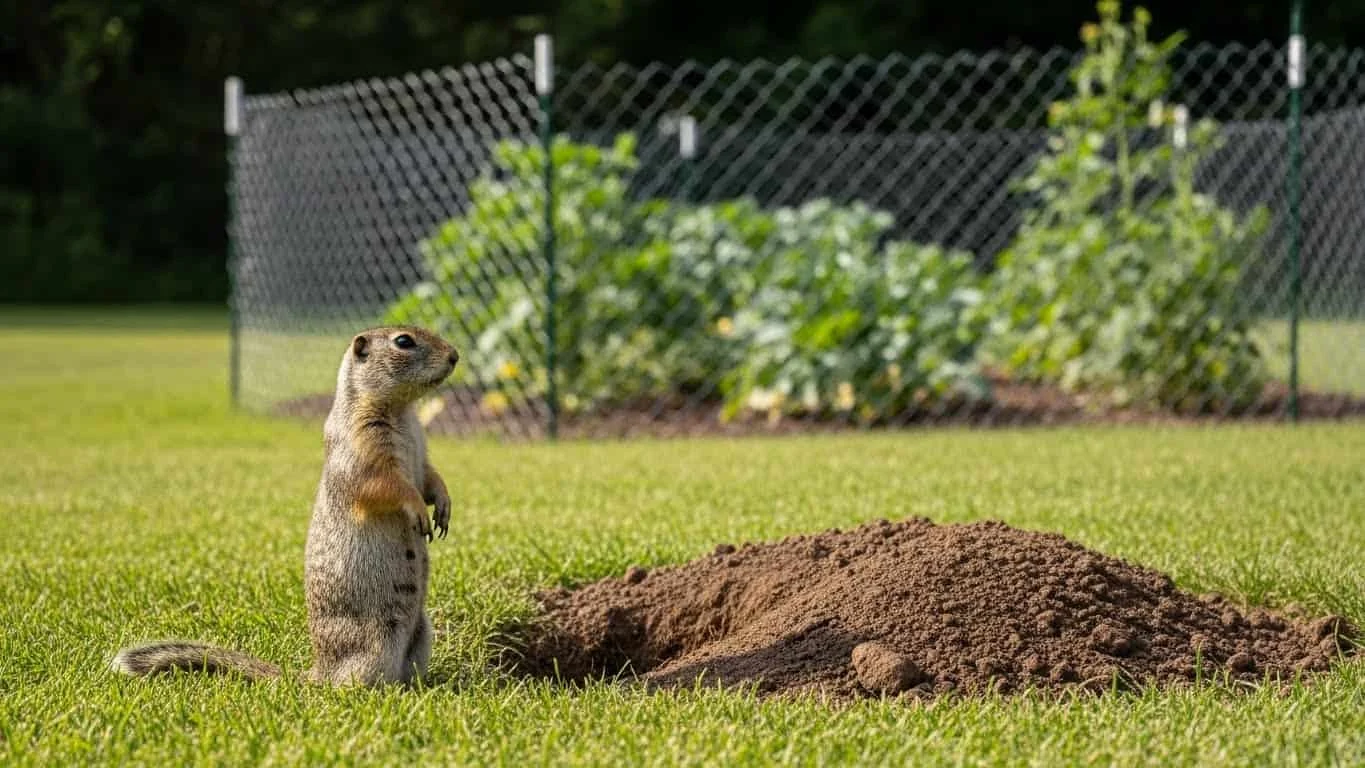
How to Get Rid of Ground Squirrels Permanently: Guide for Your Yard & Garden
Waking up to find your backyard looking like a minefield is a frustrating rite of passage for many homeowners. These aren't your typical tree-climbing squirrels; ground squirrels are the construction workers of the rodent world. They build massive, interconnec
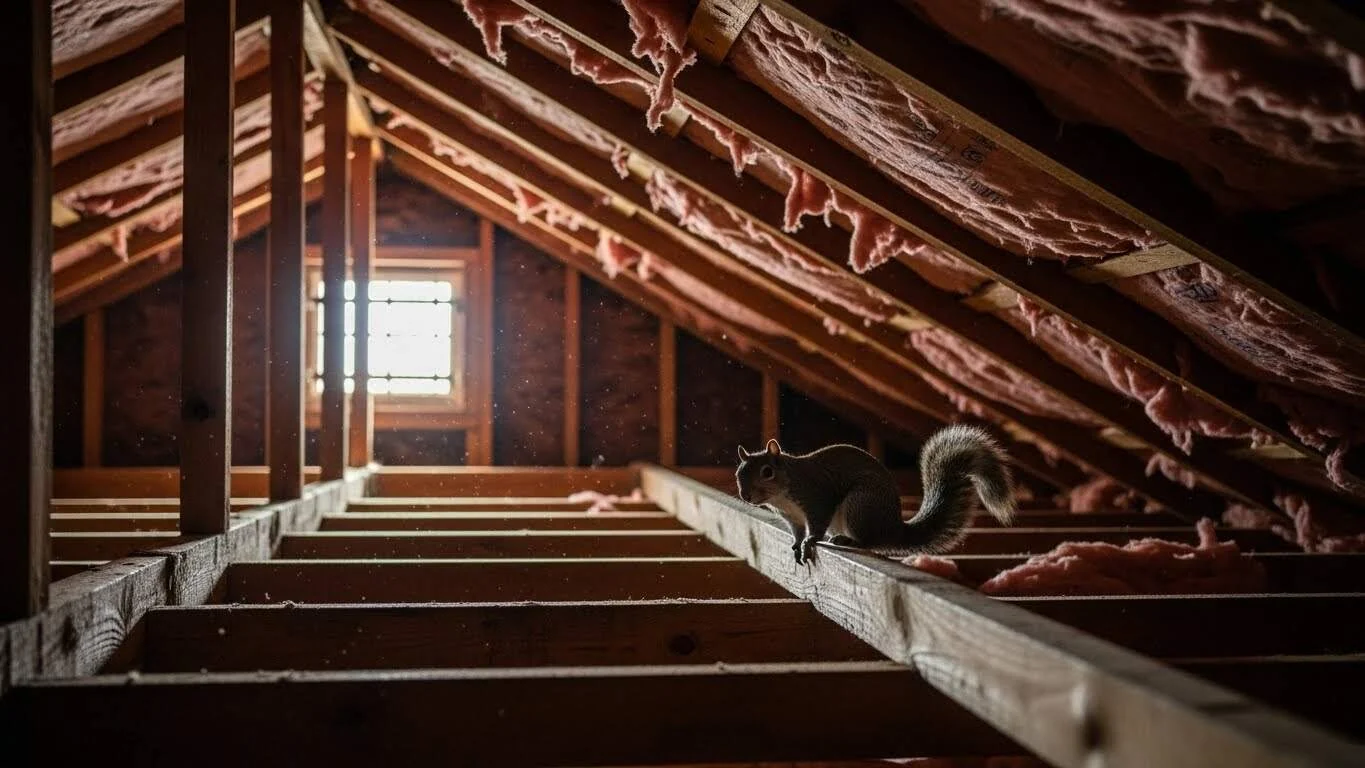
How to Get Rid of Squirrels in the Attic: The Ultimate Removal & Prevention Guide
Hearing noises above your ceiling is stressful. It usually starts with scratching at dawn. Or perhaps the sound of rolling nuts. You likely have a squirrel infestation. Squirrels in the attic are more than a nuisance. They chew electrical wires. They trample i
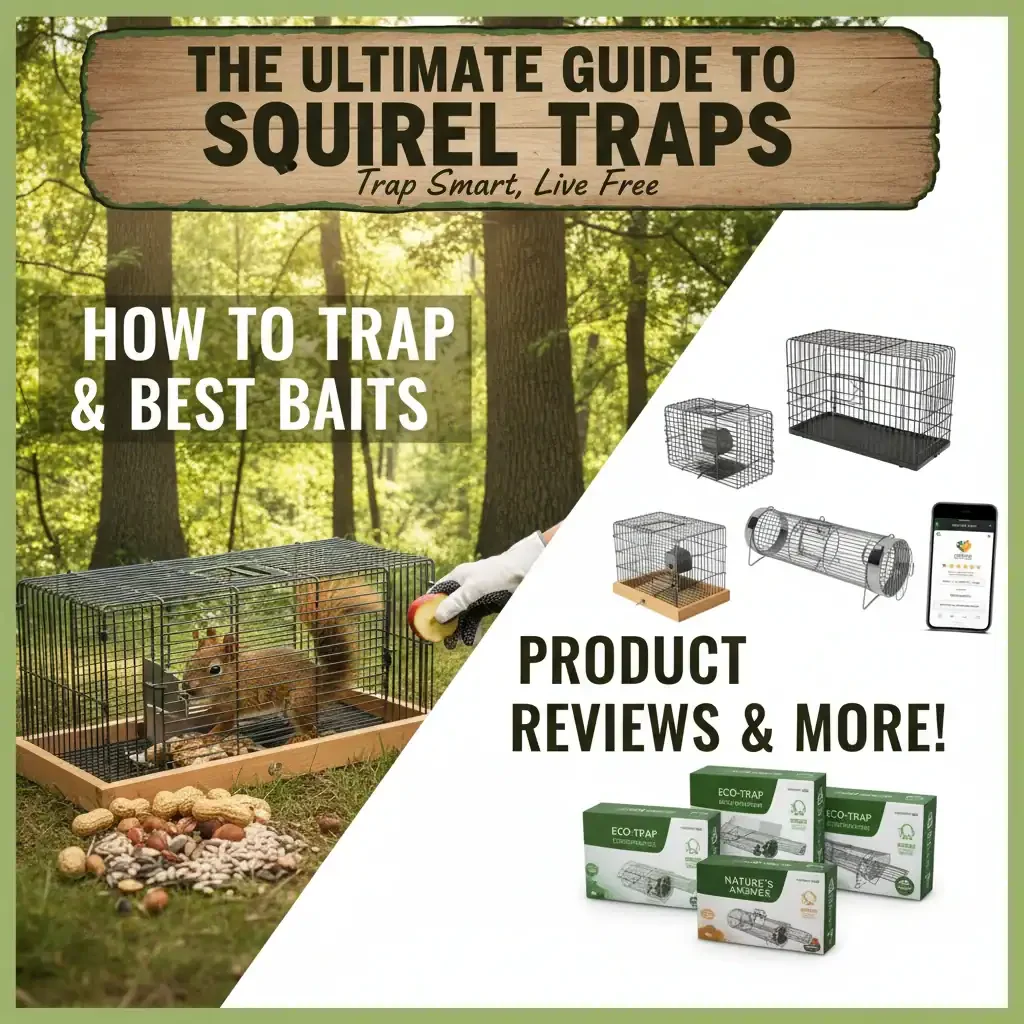
The Ultimate Guide to Squirrel Traps: How to Trap, Best Baits, and Reviews
Why Trap a Squirrel? Identifying Your Squirrel Problem Squirrels can cause a range of issues, from chewing on wires to nesting in your attic. But before deciding to trap a squirrel, it’s crucial to understand the root cause of the problem. Is it the attic, gar