
Behavior, Nests & Habitat
Where Do Squirrels Sleep? The Ultimate Guide to Their Secret Nests
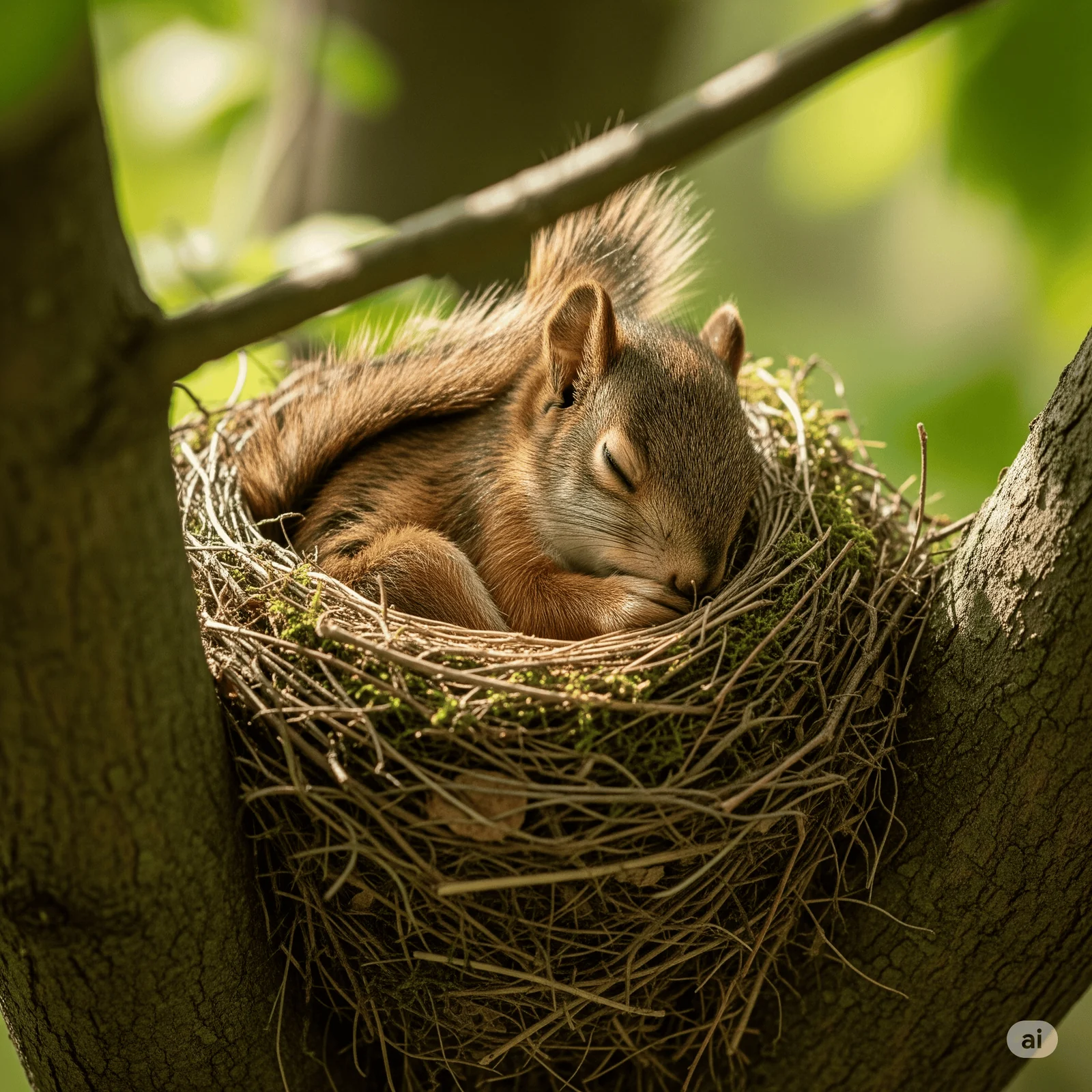
Have you ever watched a squirrel frantically scampering through your backyard and wondered—where do squirrels sleep once the sun goes down? These energetic, bushy-tailed rodents seem to be everywhere during the day, but their sleeping habits are a well-kept secret. Unlike us, squirrels don’t have brick-and-mortar homes, yet they are master architects of surprisingly cozy and safe shelters that protect them from predators and harsh weather.
In this comprehensive guide, we'll uncover exactly where squirrels sleep. We’ll explore their nighttime routines, how they stay dry during rain, and how they survive the freezing cold of winter. You'll learn about the different types of nests they build, how these homes keep them safe, and why their sleeping spots change with the seasons.
The Two Main Types of Squirrel Homes
Before we dive into their seasonal habits, it’s important to know the two primary types of shelters squirrels use. Their choice usually depends on safety, warmth, and what's available.
- Dreys (Leaf Nests): This is the most common type of squirrel nest you'll see. A drey looks like a messy, basketball-sized clump of leaves, twigs, and grass wedged high up in the fork of a tree's branches. While they may look flimsy, a well-built drey is an engineering marvel. Squirrels weave an outer shell of twigs and line the inside with soft materials like moss, shredded bark, and grass for comfort and insulation. They often build multiple dreys to have backup options if one is attacked by predators or damaged.
- Tree Cavities (Dens): These are the "luxury apartments" of the squirrel world. A tree cavity, also known as a den, is a hollow space inside a tree trunk or a large branch. These are often old woodpecker holes or spaces created by natural decay. Dens offer superior protection from wind, rain, and predators like owls, hawks, and snakes. Because they are warmer and safer, tree cavities are the preferred choice, especially for raising a family or surviving winter.
Where Do Squirrels Sleep at Night?
Squirrels are diurnal animals, meaning they are active during the day and sleep at night. This behavior is a survival strategy to avoid nocturnal predators. As dusk approaches, they retreat to their chosen shelter for safety.
At night, a squirrel will climb high into its drey or slip into a tree cavity. Tucked away from the world, they curl into a tight ball, wrapping their bushy tail around themselves like a warm blanket. This position helps conserve body heat and makes them feel secure. During most of the year, squirrels sleep alone, but this changes when the temperature drops.
Where Do Squirrels Sleep in the Summer?
During the warm summer months, squirrels prioritize ventilation over insulation. They often use simpler, less sturdy dreys that allow for better airflow. These "summer homes" are sometimes little more than leafy platforms. Since warmth isn't a concern, tree cavities may feel too stuffy, making a breezy drey the perfect sleeping spot.
Where Do Squirrels Sleep When It Rains?
Rain can be dangerous for a small mammal. A wet, cold squirrel is vulnerable to hypothermia. To stay dry, their first choice is always a tree cavity, which is naturally waterproof.
If a den isn't available, they rely on their well-constructed dreys. The tightly woven outer layer of leaves and twigs helps repel a good amount of water, keeping the soft, inner chamber mostly dry. If a drey becomes too soaked, a squirrel will quickly move to one of its backup nests.
Where Do Squirrels Sleep in the Winter?
Winter is the ultimate test of a squirrel's survival skills. Their sleeping habits are crucial for making it through the cold.
Unlike some rodents, tree squirrels do not hibernation. Instead, they enter a state of reduced activity called torpor during extremely cold spells, sleeping for longer periods to conserve energy. To do this, they need a warm, secure shelter.
- Tree Cavities are Priority #1: A den is the safest and warmest place to be. It protects them from freezing winds and snow.
- Communal Nesting: To generate more heat, species like the grey squirrel engage in communal nesting. Multiple squirrels will huddle together in the same den, sharing body heat to survive the cold.
- Reinforced Dreys: If a den isn't available, they use a winter drey, which is built to be much thicker and more insulated than a summer one.
They will still emerge on milder winter days to retrieve food they buried in the autumn.
Squirrels in Your Neighborhood: Urban Shelters
In urban wildlife settings like cities and suburbs, natural shelters can be scarce. Clever and adaptable, squirrels often find alternative sleeping spots in human structures. These can include:
- Attics
- Chimneys
- Wall cavities
- Underneath decks or sheds
While resourceful, this can lead to conflicts with homeowners.
Frequently Asked Questions (FAQs)
Baby squirrels, called kits or kittens, are born blind and helpless. Their mother builds a very secure and soft nest, almost always in a tree cavity, to protect them. This maternal care ensures the kits stay warm and hidden from predators until they are old enough to venture out.
Unlike tree squirrels, ground squirrels sleep in elaborate underground burrows. These tunnel systems contain multiple chambers for sleeping, storing food, and raising young, offering excellent protection from both predators and extreme temperatures.
Flying squirrels are nocturnal, so they sleep during the day. They almost exclusively use tree cavities, often old woodpecker holes, where they can stay hidden and safe until it's time to glide through the night.
Grey squirrels prefer tree cavities in the winter. If none are available, they will build a thick, well-insulated drey. They are also known for communal nesting with other grey squirrels to share body heat and increase their chances of survival.
No, squirrels are very clean animals. They make it a point to leave their nest to relieve themselves. This helps keep their sleeping area free from parasites and bacteria that could make them sick.
Final Thoughts
So, where do squirrels sleep? From a leafy drey swaying in the summer breeze to a snug tree den shared with others in the dead of winter, a squirrel's bed is much more than just a place to rest—it's a fortress of survival. Their clever use of dreys, dens, and even our attics showcases their incredible adaptability.
The next time you spot a round ball of leaves high up in a bare tree, you'll know it's not just a clump of debris. It might just be a squirrel's bedroom, where it's sleeping soundly, waiting for another day of acrobatic adventures.

About the author
Harry Brian
Wildlife Content Writer and Editorial Contributor
Harry Brian is a wildlife content writer at SquirrelsInfo. He creates and updates practical guides about squirrel behavior, diet, species, habitat, life cycle, and humane coexistence. His goal is to turn complex wildlife topics into clear, useful information for homeowners, gardeners, and curious readers.
Full profile and articles →Keep exploring
Related guides
Are Squirrels Nocturnal? Understanding Their Sleeping Patterns
Squirrels are some of the most common animals you’ll encounter in parks, forests, and even urban areas. With their agile movements and curious personalities, it’s easy to become fascinated by these little creatures. But one question often pops up: Are squirrel
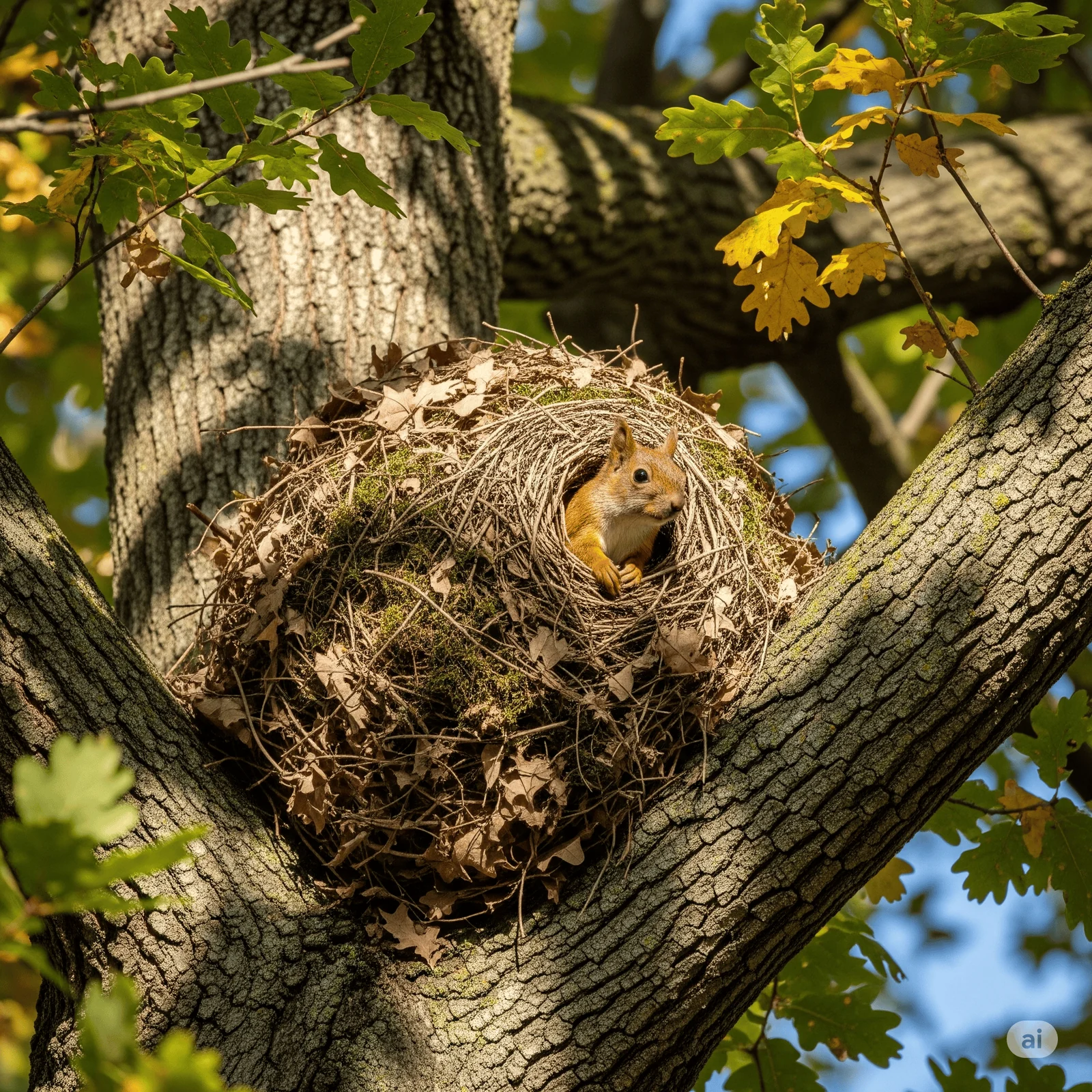
Do Squirrels Make Nests? The Ultimate Guide to Their Cozy Homes
Have you ever looked up at a tree and seen a big ball of leaves? You might have wondered what it was. Many people ask, " do squirrels make nests ?" The answer is a big yes! Squirrels are expert home builders. They create cozy and safe nests for themselves and
Do Squirrels Hibernate? The Surprising Truth About Their Winter Behavior
As autumn leaves paint the landscape and a chill enters the air, a familiar question arises for many homeowners and nature lovers: Where did all the squirrels go? The frantic scampering and acorn-burying frenzies seem to cease overnight, leading many to wonder