
How Long Do Pet Squirrels Live? Guide for Owners
- June 15, 2025
- by
- John Miller
Thinking about keeping a squirrel as a pet or already caring for one? You might be asking, how long do pet squirrels live? Pet squirrels can live significantly longer than their wild counterparts, but only with proper care, diet, and environment. In this guide, we’ll explore the average lifespan of pet squirrels, key factors that influence their health, and tips for giving them a long, happy life.
How Long Do Pet Squirrels Live?
The average lifespan of a pet squirrel is typically 10 to 20 years, depending on species, care quality, and living conditions. Unlike wild squirrels that face predators and environmental hazards, pet squirrels benefit from medical care, consistent food, and shelter.
Compare this with how long squirrels live in the wild, where most only survive 3–6 years.
Lifespan by Pet Squirrel Type
Not all squirrels have the same longevity, even in captivity. Let’s break it down by species:
Gray Squirrels
- Pet lifespan: 15–20 years
- Known for being active, intelligent, and social.
Flying Squirrels
- Pet lifespan: 10–15 years
- Nocturnal and need nighttime stimulation and bonding.
Red Squirrels
- Pet lifespan: 8–12 years
- Feisty and territorial; require more space.
Fox Squirrels
- Pet lifespan: 15–18 years
- Largest tree squirrel species, gentle and calm temperament.
Key Factors That Affect Pet Squirrel Lifespan
1. Diet and Nutrition
A balanced diet is crucial. A healthy squirrel diet includes:
- Fresh fruits (apples, berries, bananas)
- Nuts (almonds, walnuts, pecans)
- Vegetables (carrots, leafy greens)
- Limited seeds and specially formulated rodent blocks
Poor diet leads to obesity, calcium deficiency, and even early death.
2. Housing and Habitat
Pet squirrels need large enclosures or rooms to simulate tree-like environments:
- Climbing branches and ropes
- Nesting boxes
- Clean, well-ventilated cages
Unlike cages for hamsters, a squirrel needs vertical space to jump and climb.
Check also: how long do flying squirrels live.
3. Mental Stimulation
Boredom and loneliness can lead to depression and self-harming behavior in squirrels. Include:
- Toys, tunnels, wheels
- Daily interaction with the owner
- Safe, supervised outdoor play, if possible
4. Veterinary Care
Routine health checkups, vaccinations (where applicable), and early diagnosis of dental or digestive issues can greatly increase lifespan.
Learn more: how long do squirrels live
Do Pet Squirrels Live Longer Than Wild Ones?
Absolutely. In the wild, squirrels face:
- Predators
- Disease
- Food shortages
- Traffic and human hazards
All these factors are eliminated in a domestic setting, helping pet squirrels live twice or even three times longer.
Can You Legally Keep a Squirrel as a Pet?
Before adopting or rescuing a squirrel, check your local laws and wildlife regulations. In many U.S. states, it’s illegal to keep a wild squirrel without a wildlife rehabilitation license.
States where pet squirrels are typically illegal:
- California
- New York
- Arizona
States where permits may be required:
- Florida
- Texas
- Michigan
Challenges of Keeping a Pet Squirrel
While rewarding, owning a squirrel is not like owning a hamster or rabbit. Challenges include:
- Biting and scratching: Especially when scared or not socialized.
- High energy levels: Need several hours of free roam time daily
- Chewing on furniture: Their teeth never stop growing.
- Potty training: Difficult and inconsistent
Tips to Extend Your Pet Squirrel’s Life
- Provide a species-appropriate diet
- Create a stimulating and safe environment.
- Schedule regular vet checkups.
- Avoid processed human foods.
- Minimize stress and loud environments.
Baby Pet Squirrels: Special Care Needed
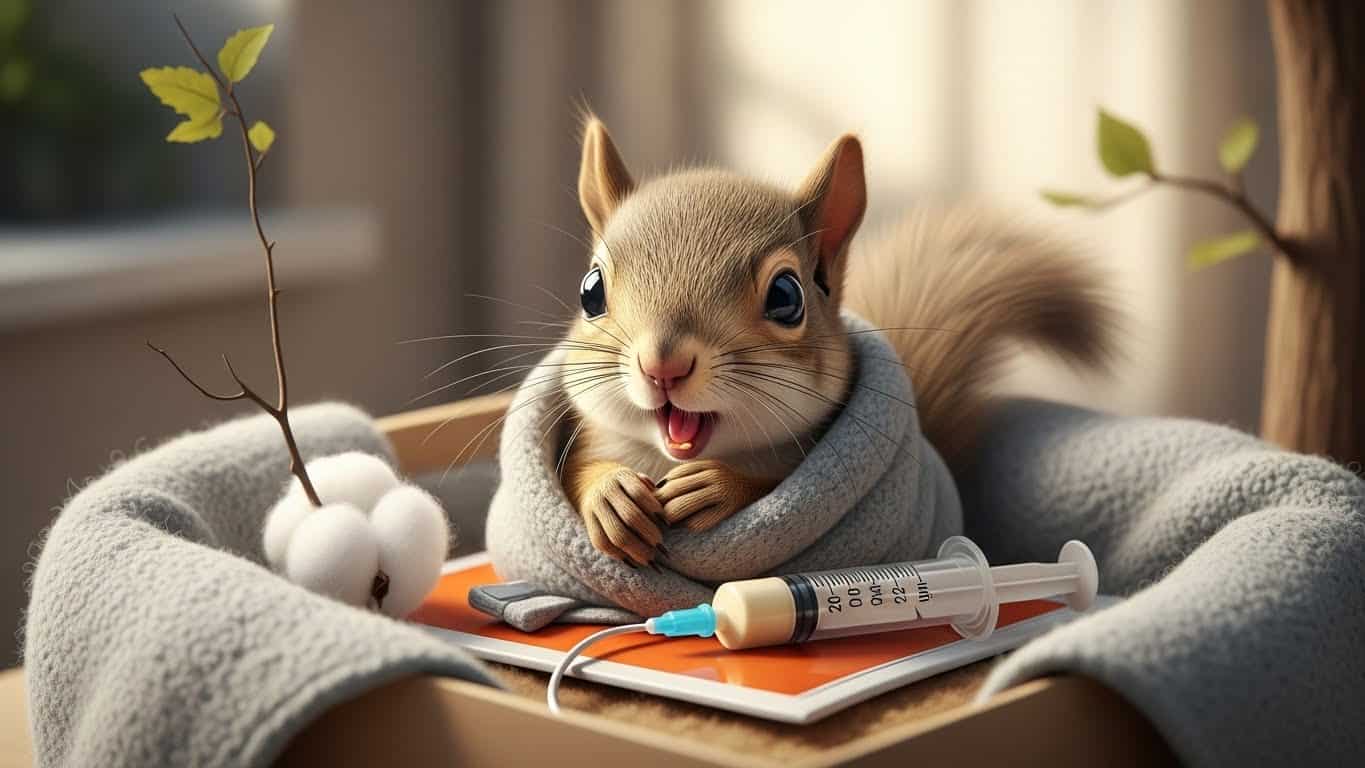
Raising a baby squirrel? Then, it’s even more critical to follow proper nutrition schedules (Esbilac formula or squirrel milk replacer), temperature control, and hygiene. Most baby squirrels die due to poor feeding or cold environments.
Final Thoughts
So, how long do pet squirrels live? With good care, love, and a proper environment, your pet squirrel can live 10 to 20 years, much longer than they would in the wild. They are unique, intelligent companions but require special commitment and attention.
A pet squirrel’s lifespan is typically between 10 to 20 years. This is significantly longer than their wild counterparts, primarily because they are protected from predators, have access to consistent food and medical care, and live in a safe, controlled environment.
Yes, absolutely. Wild squirrels face numerous threats like predators, disease, food scarcity, and human-related dangers, limiting their average lifespan to just 3-6 years. Pet squirrels, with proper care, can live two to three times longer.
Yes, lifespan in captivity varies among different squirrel species. Here is a general breakdown:
Gray Squirrels: 15–20 years
Fox Squirrels: 15–18 years
Flying Squirrels: 10–15 years
Red Squirrels: 8–12 years
Four key factors determine the health and longevity of a pet squirrel:
Diet and Nutrition: A balanced diet of fresh fruits, nuts, vegetables, and rodent blocks is crucial.
Housing and Habitat: They need large, vertical enclosures with branches and nesting boxes to climb and play.
Mental Stimulation: Daily interaction, toys, and activities prevent boredom and depression.
Veterinary Care: Regular checkups with a vet experienced in exotic pets are essential for preventing and treating illness.
Owning a squirrel is a unique challenge. They have high energy levels and require several hours of supervised time outside their cage daily. They have a natural instinct to chew on everything, can be difficult to potty train, and may bite or scratch if not properly socialized.
You may also Like
How to Care for an Infant Squirrel: The Ultimate Rescue & Survival Guide

